How to Calculate Pathway Bollard Light Spacing for Optimal Illumination?

Time:2026-08-07 Author:Sienna
0%

When designing outdoor spaces, lighting plays a crucial role. One key aspect many overlook is how to calculate the spacing for pathway bollard lights. According to expert lighting designer John Smith, "Proper spacing ensures safety, aesthetics, and utility in any environment." The right alignment enhances visibility and creates a welcoming atmosphere.

Bollard lights not only illuminate paths but also help guide visitors. Achieving optimal illumination involves understanding several factors. These include the brightness of the fixtures and the path width. Each project is unique, and mistakes in spacing can lead to dark spots or over-lit areas. This can create confusion and discomfort for users.

For landscapes and walkways, precise calculations are essential. Assessing factors like light distribution helps create a visually appealing design. Reflecting on past projects can offer valuable lessons. Sometimes, what seemed perfect in theory didn't translate well in practice. Effective spacing needs careful planning and adjustment. Understanding how to calculate the spacing for pathway bollard lights can transform a space, making it not just functional but also inviting.
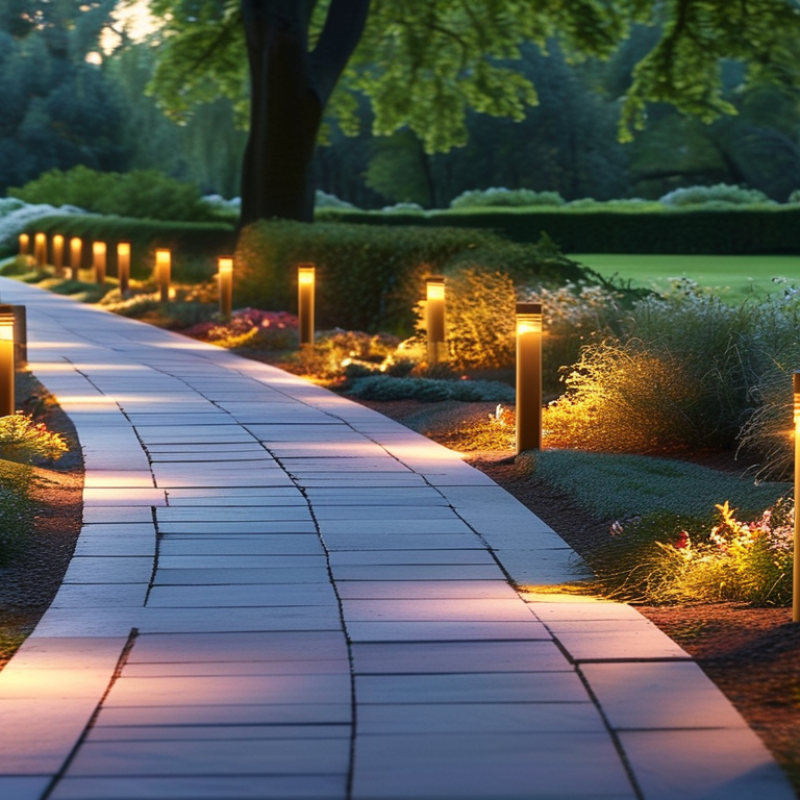
How to Calculate Pathway Bollard Light Spacing for Optimal Illumination?

Factors Influencing Bollard Light Spacing for Pathways

When calculating the spacing for pathway bollard lights, several factors must be considered for optimal illumination. The height of the bollard plays a crucial role. Higher bollards can reach wider areas but may create shadows. Conversely, shorter fixtures focus light more intensely but over shorter distances. According to the Illuminating Engineering Society, a common recommendation is to place bollards 6 to 10 feet apart, depending on their lumen output and the desired light intensity.

Another significant factor is the type of pathway. For narrow paths, closer spacing may be necessary to ensure safety and visibility. A report by the International Association of Lighting Designers suggests varying spacing based on foot traffic. Higher traffic areas may need fixtures spaced closer together, around 5 to 7 feet apart. In contrast, for low-traffic gardens or parks, 8 to 12 feet can suffice without compromising safety.

Consider the color temperature of your lighting, as well. Warmer temperatures (around 3000K) create a more inviting atmosphere, while cooler temperatures (5000K) can help with visibility. Each setting demands a different approach to spacing. Therefore, experimenting with various placements is essential. Balancing aesthetics and functionality can lead to reflections on the space's overall design efficiency. A well-thought-out layout will reduce energy waste and enhance the experience for users.

Determining the Desired Illumination Level for Pathway Areas

Determining the desired illumination level for pathway areas is crucial for both safety and aesthetics. A well-lit pathway prevents accidents and enhances the ambiance of outdoor spaces. The preferred illumination level typically ranges from 0.5 to 1.5 foot-candles, depending on the pathway’s usage and surroundings.

When calculating the light spacing for bollards, consider factors like the pathway width and the height of the lights. For a 5-foot-wide pathway, spacing the bollards 10 to 15 feet apart is often effective. However, reviewing local guidelines and standards can provide further insight. Every area may require a unique approach based on its characteristics.

Tips: Assess the surrounding landscape when planning light placement. Dense vegetation may necessitate closer spacing for adequate illumination. Remember, too much light can create harsh shadows and glare. Aim for a balance that enhances visibility without overwhelming the senses. Pay attention to the light source's angle and direction to avoid creating dark pockets.

Pathway Bollard Light Spacing for Optimal Illumination

Calculating Optimal Distance Between Bollard Lights

Calculating the optimal distance between bollard lights is essential for effective outdoor illumination. Adequate spacing enhances visibility and safety in pathways. A common guideline suggests placing bollard lights six to eight feet apart. This distance allows for even light distribution while minimizing shadows. However, the spacing may need adjustment based on the pathway's width and light output.

Factors such as the height of the bollard and the desired light intensity play crucial roles. Taller bollards may require slightly wider spacing to avoid overlapping light patterns. A dim light output might necessitate closer placement to ensure proper coverage. Observing existing installations can offer insights but may not apply universally. Every pathway has unique characteristics. Consider how specific environments affect light placement.

Experimentation can illuminate the best solutions. Evaluating different spacings in practice is valuable. Take note of how adjustments influence overall luminosity and ambiance. Recording these reflections may lead to better designs in future projects. Striving for perfect illumination is an ongoing process. Refine your approach whenever new information becomes available.

Considerations for Light Distribution and Beam Angle

When planning pathway bollard light spacing, beam angle and light distribution are critical. These factors directly affect how well an outdoor space is illuminated. A narrow beam angle focuses light in a specific area, increasing brightness but limiting coverage. In contrast, a wide beam angle scatters light over a larger space, providing more even illumination.

Consider testing different beam angles in your design. Conducting visual assessments can highlight areas of improvement. This hands-on approach allows you to see how light interacts with surrounding elements. It is essential to adjust the placement based on real observations. Factors like landscaping and obstructions can greatly impact light distribution.

Monitoring light patterns is crucial for an optimal setup. You may find areas that are overlit or underlit. These imbalances can lead to discomfort or safety concerns. Keeping a flexible mindset when evaluating your approach will enhance your results. Reflect on the impact of light on the environment and user experience as a whole.

Common Mistakes to Avoid in Spacing Calculation

When calculating pathway bollard light spacing, some common mistakes can compromise optimal illumination. A frequent error is overlooking the height of the bollard. Taller fixtures emit light differently. A lower bollard may require closer spacing to achieve the same effect. Be mindful of how light distribution varies with height.

Another pitfall is neglecting the pathway width. Narrow paths may need more lights than wider ones. If you space lights too far apart, darker areas can form, making the path less safe. Think about how users will experience the light at night. Shadows can create unease.

Tips for proper spacing include considering the function of the pathway. If it sees high foot traffic, choose a tighter spacing. Observe where shadows fall during the day. Adjust the placement based on real-time analysis. Lastly, check local regulations. Rules may dictate specific spacing requirements. This ensures compliance and enhances safety.

FAQS

: What is the preferred illumination level for pathways?

: The preferred illumination level ranges from 0.5 to 1.5 foot-candles. It varies based on usage and surroundings.

How far apart should bollards be placed on a pathway?

For a 5-foot-wide pathway, place bollards 10 to 15 feet apart. Adjust based on local standards.

Why is assessing the surrounding landscape important?

Dense vegetation may require closer light spacing. Proper assessment enhances illumination and safety.

What happens if there is too much light?

Excess light can create harsh shadows and glare. Balance is key for safe and pleasant visibility.

How do beam angle and light distribution affect illumination?

Narrow beams focus light but provide limited coverage. Wide beams offer even illumination across larger areas.

Why should you conduct visual assessments for light placement?

Testing beam angles helps identify areas needing improvement. Real observations inform better decisions.

What should you do if some areas are overlit or underlit?

Monitor light patterns regularly. Adjusting placements can minimize discomfort or safety concerns.

How can you reflect on your lighting approach?

Keep a flexible mindset. Consider how light impacts the environment and user experience as a whole.

Conclusion

In the article "How to Calculate Pathway Bollard Light Spacing for Optimal Illumination," various factors that influence the spacing of bollard lights on pathways are examined. Understanding the desired illumination level is crucial, as it helps determine how to calculate the spacing for pathway bollard lights effectively. Additionally, the article highlights the importance of calculating the optimal distance between lights while factoring in light distribution and beam angles, ensuring even and adequate lighting.

Furthermore, the article discusses common mistakes that individuals may encounter during the spacing calculation process. By acknowledging these pitfalls, readers can enhance the lighting design of their pathways, providing both safety and aesthetic appeal. Overall, a thoughtful approach to bollard light spacing will lead to improved visibility and user experience in pedestrian areas.

Sienna

Sienna

Sienna is a skilled marketing professional with a deep expertise in our company’s core products and services. With a passion for innovation and detail, she plays a pivotal role in crafting insightful blog posts that not only highlight the unique features of our offerings but also provide valuable......