Choosing the right beam angle for outdoor flood lights is crucial for effective illumination. Industry expert John Smith, a long-time lighting designer, emphasizes, “The right beam angle transforms outdoor spaces, ensuring safety and ambiance.” When deciding how to choose the right beam angle for outdoor flood lights, several factors come into play.
Understanding the environment is essential. A narrow beam angle focuses light in a specific area, perfect for highlighting features or pathways. In contrast, a wider beam disperses light over a larger area, which is ideal for general illumination. Consider the purpose of the lighting. Whether for security, aesthetics, or safety, this will guide your choice.
Moreover, reflect on the height of installation. Higher installations typically require narrower beams to avoid excessive light spill. Analyzing your space and lighting needs can reveal challenges. Many struggle with balancing brightness and efficiency. Finding the right beam angle may take trial and error, making the process feel daunting. However, taking the time to explore options assures you make an informed choice for outdoor safety and enjoyment.
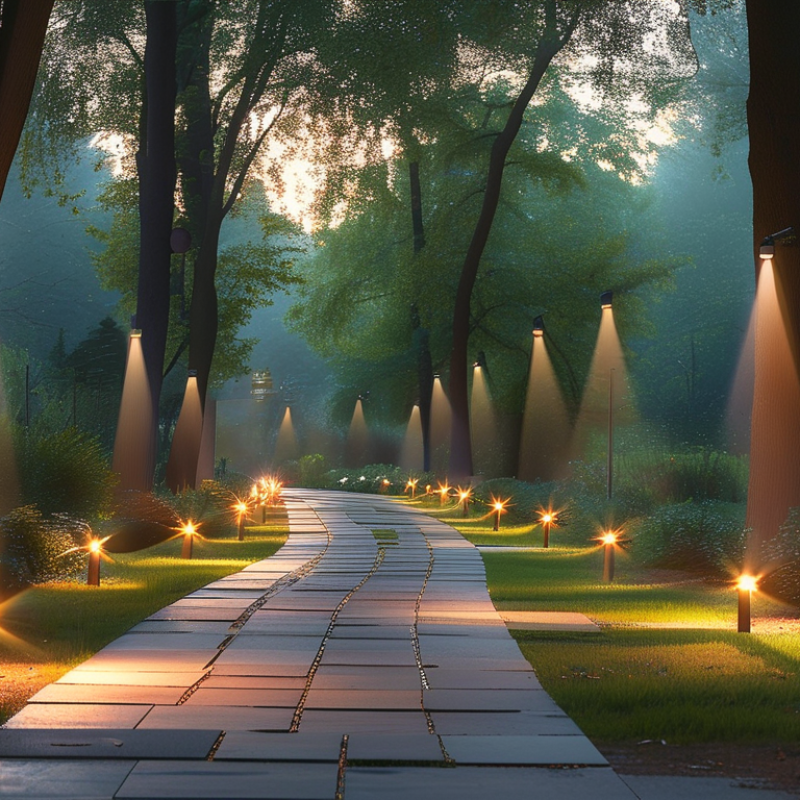
Understanding Beam Angles in Outdoor Flood Lights
When considering outdoor flood lights, understanding beam angles is crucial. The beam angle determines how light is distributed across an area. A narrow beam angle provides focused light, making it suitable for highlighting specific features. Conversely, a wide beam angle covers a larger space, ideal for general illumination.
Choosing the right beam angle involves assessing your needs. For pathways or security, wider coverage is beneficial. However, for accent lighting on plants or statues, a narrow angle is more effective. Evaluating the space you want to light can significantly impact your decision.
Consider the height of your flood lights. Higher placement tends to require a wider beam to cover more ground. Experimentation may be necessary. Not every angle will suit your environment perfectly. Reflection, nearby structures, and overall design can alter light perception. Finding the right angle is often a trial-and-error process that requires thoughtful evaluation.
Factors to Consider When Choosing Beam Angle
Choosing the right beam angle for outdoor flood lights is crucial for effective lighting. Various factors can influence this decision. The beam angle determines how light spreads across an area. A narrow beam, around 15 to 30 degrees, focuses light on a small spot. This is ideal for task lighting or spotlighting features like trees or signs. Conversely, a wide beam angle, above 60 degrees, offers broader illumination. It works well for larger outdoor areas, such as patios or parking lots.
Consider the purpose of your lighting. If you're highlighting architectural elements, a narrow beam might be best. For security, a wider angle can provide better coverage. Additionally, the height at which the lights are installed impacts the effective beam angle. Higher installations may require broader angles to achieve uniform lighting. Environmental factors, like surrounding structures or foliage, also play a role. Shadows and obstructions can affect light distribution. It’s important to analyze your space to avoid potential dark spots.
Reflecting on these choices can help you optimize your outdoor lighting. Experiment with different angles before committing. Take notes on how changes affect ambiance and functionality. Waiting for nightfall to test your setup is key. This ensures that your lighting meets your needs precisely. Lighting should enhance safety and beauty, not compromise them.
How to Choose the Best Beam Angle for Outdoor Flood Lights? - Factors to Consider When Choosing Beam Angle
| Beam Angle (Degrees) |
Light Coverage Area (sq ft) |
Best Use Case |
Recommended Height for Installation (ft) |
| 15 |
20 |
Accent Lighting |
10-15 |
| 30 |
40 |
Pathway Lights |
8-12 |
| 60 |
60 |
Area Flooding |
12-18 |
| 90 |
80 |
General Illumination |
15-25 |
| 120 |
100 |
Wide Area Lighting |
20-30 |
Comparing Narrow vs. Wide Beam Angles for Outdoor Use
Choosing the right beam angle for outdoor flood lights is essential. The beam angle determines how light is distributed in the area. Narrow beam angles focus light into a concentrated area, while wide beam angles spread it over a broader space. According to the Illuminating Engineering Society, effective lighting design often considers both.
For narrow beam angles, typically less than 30 degrees, they provide intense illumination. This makes them ideal for highlighting specific features like architectural details or signage. However, they can create harsh shadows and may not illuminate larger areas effectively. A study from the National Institute of Standards and Technology showed that narrow beams can increase visibility at distances but may lead to unwanted contrasts.
In contrast, wide beam angles, over 60 degrees, distribute light more evenly. They are better suited for illuminating large spaces like parking lots or backyards. However, they may wash out finer details and lead to a lower intensity of light. According to a 2022 survey by the Outdoor Lighting Institute, 70% of users preferred wide beam angles for general outdoor illumination, but they raised concerns about light pollution and energy efficiency.
When choosing between narrow and wide beam angles, consider the specific needs of the outdoor area. Evaluating the balance between intensity and coverage is crucial. Sometimes, the best lighting solution might combine both types to achieve optimal visibility.
Comparison of Beam Angles for Outdoor Flood Lights
Impact of Beam Angle on Light Distribution and Coverage
Choosing the right beam angle for outdoor flood lights can significantly affect your lighting needs. The beam angle determines how light spreads and covers an area. A narrow beam angle creates a focused, intense light. This is ideal for highlighting architectural features or specific areas.
Wider angles, on the other hand, distribute light over a larger space. They are useful for illuminating pathways or large outdoor areas.
The impact of beam angle on light distribution should not be overlooked. Inadequate coverage can lead to dark spots or overly bright areas. Achieving a balanced light distribution enhances safety and aesthetics. For example, a beam angle of 30 degrees may work well for accent lighting, while a 60-degree beam could be better for general illumination. Experimenting with different angles can help you understand their effects. It’s essential to consider the purpose of your lighting and the desired ambiance.
When selecting a beam angle, think about the layout of your outdoor space. Keep in mind that light tends to fall off at greater distances. An angle that works well during testing may not provide the same results in actual conditions. Adjusting positions and light fixtures may require some trial and error. Lighting can dramatically transform an outdoor environment, and making the right choices is crucial.
Best Practices for Selecting the Right Beam Angle Based on Location
When choosing the best beam angle for outdoor flood lights, location plays a crucial role. The beam angle defines how light spreads. For broader areas, a wider beam is beneficial, while a narrow beam focuses light on specific spots. An illuminating study from the Illuminating Engineering Society (IES) shows that a 60° beam angle is optimal for lighting expansive outdoor spaces like parking lots. It provides even illumination with minimal dark spots.
In residential areas, consider fixtures with both narrow and wide angles. A narrow 30° beam suits architectural features or specific garden spots, while a wider 120° angle works well for general yard lighting. The balance between brightness and coverage can enhance safety and aesthetics.
Tip: Assess your space during different times of day. Readjusting angles might improve light placement.
Always remember that more light isn't always better. Overly bright lights can cause glare and discomfort. The North American Lighting Association recommends considering both intensity and angle for comfort and visibility.
Tip: Conduct a light test before finalizing your installation. Adjustments might be necessary for the best outcome.
FAQS
: Narrow beam angles focus light into a small, intense area. Wide beam angles distribute light over a larger space.
Use a narrow beam angle for highlighting specific features, like architectural details or signs. It creates vibrant illumination.
Wide beam angles illuminate larger areas effectively, making them suitable for spaces like parking lots or backyards. They provide even coverage.
Yes, they can create harsh shadows and may not evenly illuminate large areas. This could lead to unwanted contrast in visibility.
Assess your specific lighting needs. Consider the balance between coverage and intensity for optimal illumination.
Yes, wide beam angles may lead to light pollution. It's important to balance brightness with energy efficiency.
Experiment with different angles and adjust light positions. This can help avoid dark spots or overly bright areas.
Absolutely, conducting a light test can reveal necessary adjustments for achieving the desired ambiance and effectiveness.
Light tends to fall off at greater distances. An angle that seems effective at close range may not perform the same at longer distances.
More light isn't always better. Overly bright lights can cause glare and discomfort, so moderation is key.
Conclusion
When considering how to choose the right beam angle for outdoor flood lights, it is essential to understand the distinctions between narrow and wide beam angles and how they affect light distribution and coverage. Narrow beam angles are ideal for focused lighting on specific areas, whereas wide beam angles provide broader coverage, making them suitable for illuminating larger spaces.
Factors such as the location's size, the purpose of illumination, and the desired aesthetic should guide your decision. Evaluating these elements will help determine the most effective beam angle to enhance safety and visibility in outdoor environments. By applying best practices in selecting beam angles, you can ensure optimal lighting solutions for your specific needs.

 Merak Lighting