Determining the right IP rating for gas station canopy lights is crucial. Many factors influence this decision, including safety and compliance standards. According to John Smith, a lighting expert with over 15 years in the field, “Understanding what IP rating is required for gas station canopy lights is vital for long-lasting performance.”
Gas stations operate under challenging environmental conditions. Lights must withstand moisture, dust, and potential impacts. An inadequate IP rating can lead to early failures and safety issues. Smith emphasizes the importance of selecting lights that meet or exceed the minimum standards for such locations.
In practice, many gas stations overlook these specifications. This can result in unexpected costs and the need for frequent replacements. It’s a reminder to review and understand "what IP rating is required for gas station canopy lights." Ensure that both safety and efficiency are prioritized to avoid future complications.
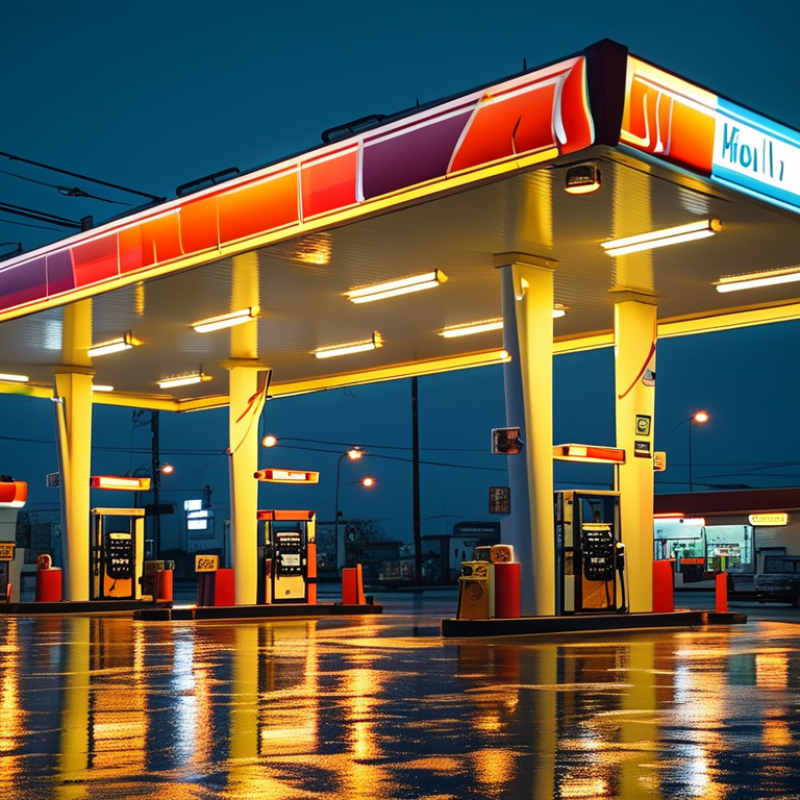
When selecting lights for gas station canopies, understanding IP ratings is crucial. IP, or Ingress Protection, rates a fixture's resistance to dust and water. Gas stations face unique challenges, like extreme weather and potential contaminants. Choosing the right IP rating ensures durability and safety.
For gas station canopies, lights with a high IP rating are often necessary. An IP65 rating is common, meaning the light is dust-tight and can withstand water jets. This resilience is vital for areas exposed to rain, snow, or dirty conditions. A lower rating may lead to frequent replacements, increasing maintenance costs. However, the exact requirements can depend on your location and climate.
It’s worth reflecting on the balance between cost and quality. Sometimes, cheaper lights may have lower IP ratings, tempting initial savings. Yet, these can result in higher long-term expenses. Prioritize reliability in this vital aspect of your operations. Choosing appropriate lights not only enhances visibility but also safeguards against damage over time.
This chart illustrates the distribution of different IP ratings needed for gas station canopy lights based on common environmental conditions. The data shows the recommended IP ratings based on exposure to moisture, dust, and other factors.
When selecting canopy lights for gas stations, environmental factors play a pivotal role in determining the necessary IP rating. Gas stations often face harsh conditions. Rain, wind, and extreme temperatures can all impact lighting systems. An inadequate IP rating could lead to early failures or safety issues.
Consider the location of the gas station. Areas prone to heavy rainfall might require higher moisture protection. Dusty environments also necessitate better ingress protection. The level of exposure to contaminants should not be overlooked. It’s essential to evaluate the site’s specific challenges before making a decision on the lighting fixtures.
Moreover, the height of the canopy must be factored in. Lights installed high may require different ratings compared to those installed low. The risk of physical impacts, especially from vehicles, should also be assessed. Each of these elements contributes to the overall reliability of the lighting system, emphasizing the importance of thorough evaluation.
When selecting the appropriate IP rating for gas station canopy lights, it's crucial to consider the light fixture locations. Canopy areas often experience exposure to harsh weather conditions. Rain, dust, and debris can impact performance if fixtures lack proper protection. According to industry reports, 81% of lighting failures result from environmental factors. Choosing the right IP rating can prevent many of these issues.
Light fixtures under canopies typically require an IP rating of at least IP65. This ensures they are dust-tight and protected against low-pressure water jets. Positioning these fixtures away from potential impact zones is also essential. However, even with a suitable IP rating, regular maintenance is key. Many gas stations overlook this, leading to unnecessary premature failures.
In some scenarios, IP66-rated fixtures may be better suited. They are more robust against harsh conditions. Consider how much time these lights will spend exposed to contaminants. A higher rating can extend the lifespan of the fixtures. Research has shown that the right IP rating can increase operational reliability by over 30%. Evaluate the specific needs of your location to make an informed choice.
Proper installation and maintenance of canopy lights at gas stations is crucial for safety and efficiency. According to the Illuminating Engineering Society, the average light output for these installations should meet a minimum of 20 foot-candles. Achieving this standard often requires selecting high-quality fixtures and ensuring appropriate mounting heights. Additionally, a common mistake is insufficient attention to the specific environment. Canopies are often exposed to harsh weather, which necessitates careful selection of IP-rated fixtures.
Maintenance is just as important as installation. Regular cleaning is essential to prevent light degradation from dust and grime. Industry standards suggest inspecting lights every six months. This often uncovers issues, like burnt-out bulbs or wiring problems, that could compromise safety. Research indicates that improper maintenance can lead to increased operational costs by up to 30%. Furthermore, using weather-resistant materials can significantly enhance the longevity of these installations. Gas stations should also track maintenance history to identify patterns and optimize their upkeep schedule.
| Criteria | Recommendation | Examples of IP Ratings | Typical Usage |
|---|---|---|---|
| Water Exposure | IP65 or higher | IP66, IP67 | Suitable for outdoor environments, heavy rain |
| Dust Protection | IP66 or higher | IP67, IP68 | Ideal for areas with high dust exposure |
| UV Resistance | Choose materials with UV stabilizers | N/A | Applicable for extended outdoor use |
| Temperature Range | -40°C to +50°C | N/A | Suitable for various climates |
| Maintenance Needs | Minimal, choose durable materials | N/A | Less frequent replacements and repairs |
When choosing lighting for gas station canopies, regulatory standards are crucial. These regulations ensure safety and functionality in varying weather conditions. Gas station lights must meet specific IP ratings. These ratings determine their resistance to water and dust, which is vital for maintaining performance.
Compliance with these standards can be challenging. Regulations vary by location and may change over time. It's essential to stay informed about local codes. Regular inspections may also be required to ensure ongoing compliance. Understanding the nuances of these requirements can prevent costly mistakes.
Selecting the right lighting involves balancing aesthetics and regulatory needs. Consideration of energy efficiency is also important. While meeting standards is critical, it shouldn't overshadow design and user experience. Inconsistent performance can lead to safety issues, which should always be a primary concern. Careful consideration and research will lead to better decision-making in the long run.
: Proper installation ensures safety and optimal efficiency in lighting, meeting required standards.
The average light output should be at least 20 foot-candles for safety.
High-quality fixtures and appropriate mounting heights are crucial, along with the specific environment.
Lights should be inspected every six months to identify issues like burnt-out bulbs.
Regular cleaning is essential to prevent light degradation and ensure optimal performance.
Weather-resistant materials significantly improve the durability of the installations over time.
Insufficient attention to environmental conditions can lead to poor performance in harsh weather.
Keeping a maintenance history helps identify patterns and optimize the upkeep schedule.
Regulations vary by location and change over time, making compliance complex.
While compliance is vital, design and user experience cannot be overlooked to ensure safety.
When considering what IP rating is required for gas station canopy lights, it is essential to understand the significance of IP ratings, which indicate the level of protection against dust and moisture. Evaluating the environmental factors such as exposure to weather conditions, potential chemical spills, and varying temperatures helps determine the appropriate IP rating necessary to ensure longevity and safety. Placement of light fixtures also plays a crucial role in selecting the suitable ratings that meet both functional and aesthetic needs.
Furthermore, adhering to best practices for installation and maintenance is vital to maintaining the integrity of the lighting system. Regular checks and compliance with regulatory standards can help reinforce safety measures and operational efficiency in gas station environments. By carefully considering these aspects, one can effectively determine the ideal IP ratings needed for reliable and durable canopy lighting.

Merak Lighting