In the bustling environment of a commercial kitchen, proper lighting is essential. When considering "where to install vapor proof lights in a commercial kitchen," expert Mike Johnson emphasizes, “Choosing the right locations for lighting can enhance safety and efficiency.” Vapor proof lights are crucial in areas exposed to moisture, like dishwashing stations and food prep zones. Proper lighting ensures visibility and helps prevent accidents.
Placement matters. Installing lights higher can provide better coverage. However, avoiding dark corners is vital. Failure to do so can lead to safety hazards. Careful planning is necessary to accommodate equipment and workflow. A well-lit kitchen can boost morale and productivity among staff.
Johnson's insights remind us to reflect on our kitchen environments. Are there overlooked spots that lack sufficient lighting? Addressing these gaps is important. A well-lit kitchen not only complies with health regulations but also creates a positive atmosphere. Investing time in understanding where to install vapor proof lights in a commercial kitchen can yield significant benefits.
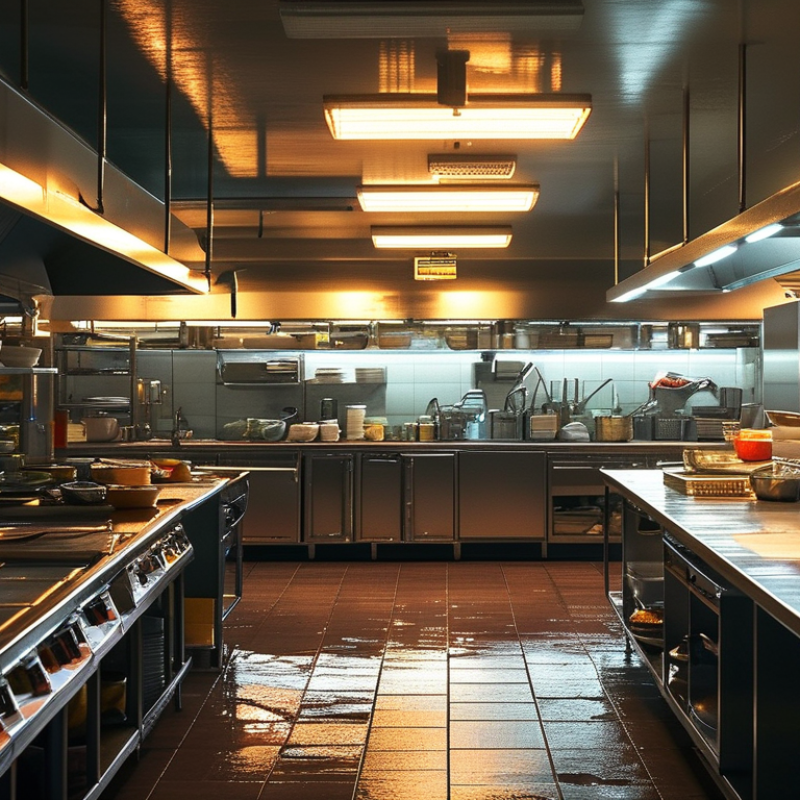
In a commercial kitchen, choosing the right type of vapor proof lights is crucial. These lights are specifically designed to withstand harsh environments. They are resistant to water, grease, and humidity. According to the National Lighting Bureau, proper lighting can enhance safety and efficiency in food preparation areas.
LED vapor proof lights are increasingly popular. They offer energy efficiency and long lifespan, reducing replacement costs. Studies indicate that using LED fixtures can save around 75% on energy bills compared to traditional bulbs. Moreover, these lights produce less heat, minimizing cooling costs in kitchens.
Fluorescent vapor proof lights remain a common choice too. They provide a good balance of cost and performance. However, they might not be as durable as LED options. With frequent exposure to moisture, the fixtures can corrode over time. This could lead to potential lighting failures. Regular maintenance checks are essential to ensure optimum performance.
| Location | Type of Vapor Proof Light | Wattage | Lumens |
|---|---|---|---|
| Above Cooking Areas | LED Vapor Proof Light | 50W | 5000 lm |
| Dishwashing Area | Fluorescent Vapor Proof Light | 40W | 3200 lm |
| Food Preparation Area | HID Vapor Proof Light | 70W | 6000 lm |
| Walk-in Refrigerators | LED Vapor Proof Light | 30W | 3000 lm |
| Storage Rooms | Hybrid Vapor Proof Light | 60W | 5400 lm |
: They ensure safety and sanitation in moisture-rich environments, preventing electrical failures.
Key areas include prep tables, cooking zones, dishwashing stations, and walk-in coolers.
Low-hanging lights can be obscured by steam or grease, reducing visibility and safety.
Regular checks for moisture accumulation and fixture damage are essential to ensure effectiveness.
Too much space can leave areas dim, while too many lights can cause distracting glare.
Improper installation can lead to leaks, compromising their effectiveness in humid areas.
Properly placed lights improve visibility, aiding precise tasks and reducing accidents in work areas.
Regular assessments ensure that lighting remains functional and safe over time, addressing potential issues.
Directly installing lights above active workspaces can significantly enhance visibility during busy hours.
Adjust their positioning or conduct maintenance to restore optimal brightness and functionality.
When considering where to install vapor proof lights in a commercial kitchen, it's important to understand the types of lights available and their suitability for high-humidity environments. Common types include LED and fluorescent vapor proof fixtures, designed to withstand the conditions typically found in kitchens. Key areas for installation should focus on food prep zones, cooking areas, and dishwashing stations, ensuring that all critical tasks are adequately illuminated.
Installation guidelines should emphasize secure mounting and proper sealing to prevent moisture ingress, while safety considerations highlight the need for lights that comply with health regulations and are resistant to splashes. Regular maintenance is essential for longevity, including routine cleaning and inspection for any signs of wear or damage. By following these guidelines, commercial kitchens can ensure optimal lighting while maintaining safety and efficiency in food preparation areas.

 Merak Lighting