LED grow lights are essential tools for indoor gardening. However, many growers often encounter a frustrating issue: why are my LED grow lights turning yellow? This problem can affect plant growth and yield. Understanding the reasons behind this change is crucial for maintaining a healthy growing environment.
The yellowing of LED lights can occur for several reasons. Over time, aging components or exposure to high temperatures can lead to discoloration. Additionally, poor quality lights may not perform consistently. Identifying these factors is important to prevent setbacks in your gardening efforts. It’s essential to ask tough questions and reflect on your lighting choices and their impact on growth.
By exploring effective solutions and tips, you can tackle this issue head-on. From selecting the right lights to adjusting environmental conditions, there are actionable steps available. Your plants deserve the best; ensure your lighting supports their health and vitality.
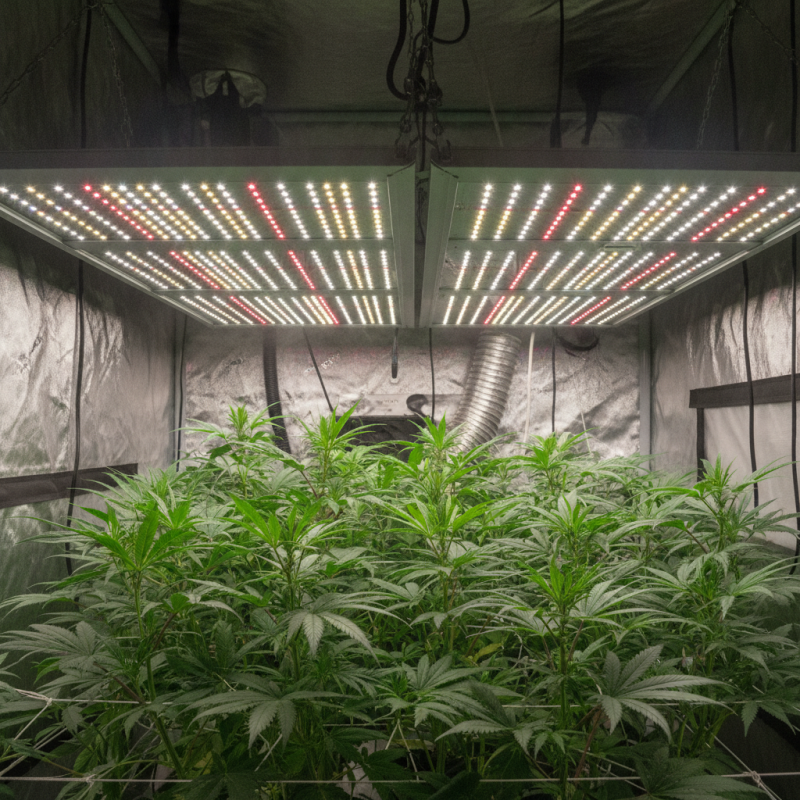
When LED grow lights start to turn yellow, it can indicate underlying issues affecting plant health. One primary cause is overheating. High temperatures can lead to a change in light spectrum. A 2020 study highlighted that excessive heat can reduce the efficacy of LEDs, pushing some wavelengths towards the yellow spectrum. This shift can potentially disrupt the photosynthesis process for plants.
Another factor is the material degradation of the LEDs. Over time, the bulbs may start to lose their vibrancy. Research indicates that cheap materials can accelerate this wear. The luminous output can decrease by up to 30% within a couple of years if lower-quality LEDs are used. This degradation not only affects light intensity but can also alter light color perception, leading to a yellow hue.
Regular maintenance can help combat these issues. Ensuring proper ventilation around LED units is crucial. Cleaning the lights to remove dust can also improve their performance. Additionally, monitoring ambient temperatures can provide better insights into their operating conditions, reducing yellowing risks. Adjusting the placement of LEDs might also mitigate heat accumulation, extending their lifespan. By understanding these causes, growers can take proactive steps to maintain their lighting systems effectively.
Yellowing LED grow lights can signal various underlying issues. One common symptom is light output degradation. As lights age, they lose intensity, affecting plant growth. This loss may result in uneven illumination. Plants may exhibit signs of stress, such as stunted growth or yellow leaves.
Another symptom often associated with this issue is heat buildup. LEDs can produce excessive heat if not adequately ventilated. This can cause bulb components to degrade. Over time, this issue can exacerbate the yellowing effect. Regular maintenance is crucial. It’s essential to clean the fixtures and ensure proper airflow around the lights.
Sometimes, the yellowing is purely aesthetic. Light diffusion through the lens may change color. It might not indicate malfunction, but it suggests a need for attention. Some growers may not notice these changes until plant performance declines. Reflecting on your light's condition can greatly enhance your growing experience.
LED grow lights can change color, often turning yellow, which affects plant growth. Understanding this phenomenon is crucial for success. Research indicates that color shifting can arise from several factors including heat dissipation and prolonged use. High temperatures can degrade the diodes, leading to inefficient color output. A study by the Lighting Research Center found that maintaining optimal temperatures can prevent early lumen depreciation.
Another factor is the light spectrum itself. LEDs usually emit light in specific wavelengths. Over time, certain wavelengths can degrade faster, altering the light color. For instance, blue light is essential for vegetative growth. If the blue spectrum diminishes due to diode wear, plants may stretch or become leggy. A report suggests that spectrum balance is key, and adjustments may be necessary throughout the growth cycle.
Regular maintenance is recommended. Cleaning lenses and ensuring proper ventilation can prolong the lifespan of your lights. However, many growers overlook these tasks. It often leads to poor light performance. Documenting changes in light output helps track issues early. By identifying these small shifts, growers can make timely adjustments to optimize conditions for their plants.
This bar chart illustrates the impact of various factors on the color change of LED grow lights. Higher values indicate a more significant effect on the light's color, with heat stress being the most critical factor.
LED grow lights are essential for indoor gardening. However, over time, these lights can start to turn yellow. This yellowing can affect plant growth and light efficiency. Understanding the causes can help in taking preventive actions.
One common reason for yellowing is heat. Excessive heat can damage the light's components. Keep your lights at an appropriate distance from your plants. If they are too close, it may cause heat buildup. Regularly check the temperature in your growing area.
Another factor is dust and grime accumulation. These can block light output, causing yellowing. It’s important to clean your LED lights regularly. Use a soft cloth and mild cleaner for this task. Additionally, consider rotating your lights to ensure even wear.
Checking for oxidation is crucial. Over time, the connectors and circuits can oxidize. This may lead to performance issues. Regular inspections can help you catch these problems early. If you notice yellowing, evaluate your setup. It’s not just about fixing the lights; it’s about creating the best environment for your plants.
Maintaining LED grow lights is crucial for optimal performance. Research suggests that improper care can lead to up to a 30% reduction in lifespan. Dust and debris accumulate on the light’s surface, blocking essential light emission. Regular cleaning with a soft cloth can help enhance their efficiency. Maintaining a clean environment ultimately benefits plant growth.
Heat management is equally essential. Excessive heat can cause LEDs to degrade faster. A study by the Department of Agriculture shows that high temperatures can decrease light output by 10% or more. Utilizing proper ventilation can mitigate heat buildup. Strategic placement of fans around your grow area can help circulate air effectively.
Lastly, consider the settings and usage patterns of the lights. Overexposure can lead to color distortion, like yellowing. Many growers overlook the importance of adjusting light intensity and duration based on plant growth stages. Using a timer can help regulate light cycles accurately. Lights not performing optimally may indicate a need for recalibration. Regular monitoring is vital for achieving the desired growth results.
: Yellowing can result from overheating, material degradation, or changes in the light spectrum.
Excessive heat can shift the light spectrum towards yellow, which disrupts plants' photosynthesis.
Common signs include reduced light intensity, uneven illumination, and stressed plant growth.
Yes, yellowing can lead to stunted growth, yellow leaves, and overall poor plant health.
Regular cleaning is advised, ideally once a month, to prevent dust build-up and maintain efficiency.
Proper heat management can extend the lifespan of LEDs by preventing excessive degradation.
Yes, adjusting intensity and duration is crucial for optimizing growth throughout various stages.
Ensure good ventilation, monitor temperatures, and clean lights regularly to reduce yellowing risks.
Not necessarily; sometimes it can be an aesthetic change without affecting performance.
Regularly check for intensity, color changes, and plant health to assess light performance effectively.
In the article titled "Why Are My LED Grow Lights Turning Yellow: Solutions and Tips?", the author explores the various reasons behind the yellowing of LED grow lights, providing essential insights for growers. The yellowing can be attributed to factors such as overheating, aging components, or exposure to environmental conditions that may alter light quality. Common symptoms associated with this issue include a noticeable shift in light spectrum, which can negatively impact plant growth.
To effectively address the question of why are my LED grow lights turning yellow, the article offers practical solutions such as ensuring proper ventilation, regulating temperature, and conducting regular maintenance. Additionally, it emphasizes the importance of understanding the underlying causes and maintaining optimal conditions to prolong the life of the lights. By following the outlined tips and solutions, users can help mitigate yellowing and enhance the performance of their LED grow lights.

Merak Lighting