When considering backyard security lights, understanding "how many lumens do I need for backyard security lights" is crucial. The right lumens can make a significant difference in visibility and safety. Typically, the brightness required varies by area size and its uses. For a patio, fewer lumens might suffice, while larger spaces require more illumination.
Security lights should not be too dim or excessively bright. A balance is necessary. Too few lumens may leave blind spots, while too many can create glare. Evaluating the landscape and its features helps determine the ideal lumen output. Reflective surfaces or shadows can affect the light's performance, leading to potential vulnerabilities.
Ultimately, make informed decisions based on real needs. Reflect on personal experiences or local crime rates that influence your requirements. Choosing the right lumens is about more than light; it's about peace of mind in your outdoor space. Testing different levels of brightness may enhance security and comfort.
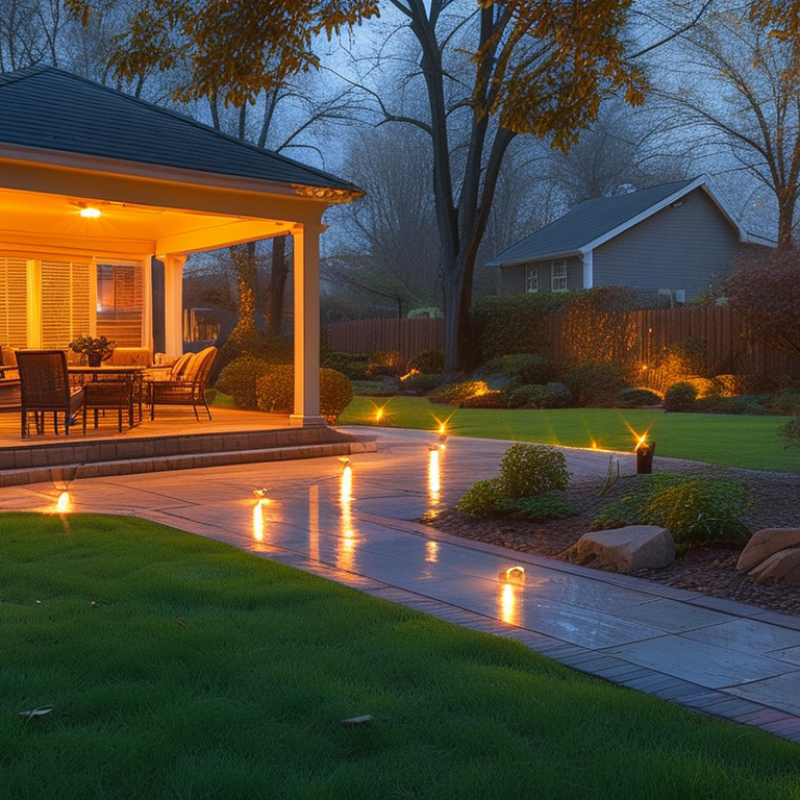
Understanding Lumens and Their Importance in Security Lighting
When choosing backyard security lights, understanding lumens is crucial. Lumens measure light output, indicating how bright a light source is. According to the Illuminating Engineering Society, outdoor security lights should range from 700 to 1300 lumens. This level effectively illuminates large areas while deterring potential intruders.
The brightness needed varies by location. A well-lit pathway may require 200 to 500 lumens. However, larger areas, such as backyards adjacent to homes, will benefit from higher levels. Research indicates that brighter lights enhance visibility, making it easier to identify potential threats. Yet, overly bright lights can cause glare and may reduce visibility despite their intensity.
Additionally, consider the color temperature of the light. A cooler tone, around 5000 Kelvin, is more effective for security lighting. It enhances contrast and makes it easier to spot motion. Balancing brightness with usability is vital. Ask if the illumination works for your needs rather than just relying on numbers. Choosing the right lumens combines technical knowledge with practical experience, ensuring both security and comfort in your outdoor spaces.
Factors Influencing the Required Lumens for Backyard Security Lights
When considering backyard security lights, several factors influence the lumens required. The primary factor is the size of the area you wish to illuminate. A larger yard needs more lumens. For instance, a 1,000 square foot area may require 1,500-2,000 lumens for proper visibility. Smaller areas, like doorways or pathways, need fewer lumens, around 700 to 1,000.
The type of activity taking place also matters. Are you illuminating a space for frequent human activity or just for monitoring? High-traffic areas should have brighter lighting. Motion sensors may allow for lower constant illumination but require higher lumens during activation. Additionally, consider the layout. Shadows created by trees or structures can affect visibility. A well-lit space can deter intruders while unnecessary brightness can annoy neighbors.
Weather conditions should also be taken into account. Areas with heavy fog or rain may need extra lighting for clarity. Furthermore, reflectivity of surfaces in your yard can narrow down your choices. Test different brightness levels before committing. It’s key to balance safety and comfortability in your outdoor space. Remember, what works well for one may not suit another. Reflecting on these factors helps ensure you choose the right lumens for effective safety lighting.
How Many Lumens Do You Need for Backyard Security Lights? - Factors Influencing the Required Lumens for Backyard Security Lights
| Lighting Type |
Recommended Lumens (per fixture) |
Area Coverage (sq ft) |
Recommended Usage |
| Pathway Lighting |
100 - 200 lumens |
50 - 100 sq ft |
Illuminating walkways |
| Porch Lights |
200 - 300 lumens |
100 - 150 sq ft |
Entryway security |
| Flood Lights |
700 - 1300 lumens |
200 - 400 sq ft |
Wider area illumination |
| Spotlights |
500 - 800 lumens |
100 - 150 sq ft |
Highlighting specific areas |
| Motion Sensor Lights |
300 - 600 lumens |
150 - 200 sq ft |
Security and alerting |
Common Lumens Guidelines for Different Backyard Areas and Purposes
When selecting backyard security lights, understanding lumens is key. Different areas have unique lighting needs based on purpose. For general outdoor lighting, experts recommend around 100 to 200 lumens per square foot. This provides ample visibility without overwhelming glare.
Paths and walkways often require less intensity. About 50 to 100 lumens per square foot can effectively illuminate these areas. The goal is to enhance visibility while ensuring safety. Conversely, for areas needing deterrence, such as around entry points, aim for 700 to 1,200 lumens. This level of brightness helps ward off potential intruders.
Another consideration is the type of activity in the backyard. If you enjoy evening gatherings, aim for around 300 lumens to create a welcoming atmosphere. It's crucial to balance brightness with functionality. Too much light can create harsh shadows, while too little can leave dark corners.
Reflecting on your space's needs will lead to more effective lighting choices. Knowing these guidelines enhances both safety and the enjoyment of your backyard.
Adjusting Lumens Based on Light Fixture Types and Technology
When choosing backyard security lights, it's essential to consider the type of light fixture you are using. Different fixtures emit varying levels of brightness, measured in lumens. For example, floodlights generally require more lumens to cover a large area. A well-placed floodlight typically needs between 700 to 1000 lumens for effective illumination. In contrast, wall sconces or path lights may only need around 100 to 300 lumens. Understanding these differences can help you create a safer environment.
Technology also plays a significant role in lumen requirements. LED technology is efficient and produces more lumens per watt than traditional bulbs. This means you can achieve brighter lighting while consuming less energy. Halogen bulbs, while offering strong illumination, require more energy to produce comparable brightness. Assessing where the light will be placed is crucial. It can greatly impact the amount of light needed. For example, a well-lit area with nearby streetlights may require fewer lumens than a secluded corner of your yard.
Although you may have an idea of your needs, it’s wise to test different setups. Adjusting lumens based on real-world performance can often reveal surprising results. Sometimes, what seemed adequate might fall short in practice. Thus, taking time to reflect on your specific situation and the fixture type will enhance your security lighting significantly.
Lumens Required for Backyard Security Lights
This bar chart illustrates the lumens required for different types of backyard security lights. For effective illumination, pathway lights require around 100 lumens, flood lights significantly more at 1000 lumens, and motion sensors around 600 lumens. Wall sconces and deck lights need about 300 and 150 lumens respectively.
Tips for Choosing the Right Brightness for Effective Backyard Security
Choosing the right brightness for backyard security lights is crucial. Generally, 100 to 200 lumens per fixture are effective for residential areas. This brightness can deter potential intruders. However, too much light can create unwanted glare. It's important to find a balance that illuminates without overwhelming.
Consider specific areas you want to light up. Pathways, doors, and garages require different lumens. For example, pathways might need around 70 to 100 lumens, while doorways could benefit from 200 lumens. Not every spot needs the same intensity. Take a moment to evaluate what makes your yard feel secure.
Think about the bulb type as well. LED lights are energy-efficient and long-lasting. They produce less heat and have a longer lifespan. It's prudent to combine different lighting levels for a layered effect. Remember, experimentation is key. You may need to adjust the settings to find what works best for your environment.
FAQS
: A large backyard typically requires 1,500 to 2,000 lumens for proper visibility.
For pathways, around 700 to 1,000 lumens is often sufficient for safety.
High-traffic areas need brighter lighting, while monitoring spaces can use lower lumens.
Yes, fog or rain may require extra lighting for better clarity and visibility.
Different fixtures have varying brightness levels; for example, floodlights need 700 to 1,000 lumens.
Yes, LED lights produce more lumens per watt, providing brighter light with less energy.
Experts recommend about 100 to 200 lumens per square foot for general outdoor areas.
Absolutely. Testing can show surprising results and reveal unmet lighting needs.
Excess light can create harsh shadows and annoy neighbors, so balance is key.
Reflect on your space's needs and adjust your lighting according to activity and areas.
Conclusion
When considering "how many lumens do I need for backyard security lights," it's essential to understand the role of lumens in lighting and their significance in ensuring safety. Lumens measure brightness, and the required amount can vary based on several factors, including the size of your backyard, the specific areas you want to illuminate, and the intended purpose of the lighting. For example, pathways may need lower lumens compared to outdoor seating areas or entry points that require enhanced visibility.
Common guidelines suggest varying lumens based on different backyard areas, with recommended ranges for effective security lighting. Additionally, the type of light fixtures and technologies used can also influence brightness requirements. Ultimately, choosing the right lumens involves assessing your unique space, understanding environmental needs, and adjusting accordingly to achieve optimal security lighting for your backyard.

 Merak Lighting