As cities evolve, so do their lighting needs. Commercial parking lot lights play a critical role in safety and visibility. However, an important question persists: how much power do commercial parking lot lights consume? Understanding their energy consumption is vital for businesses aiming to cut costs and reduce their carbon footprint.
In 2026, advancements in technology may alter these figures significantly. Innovations in LED lighting are likely to improve efficiency and lower power usage. Yet, each parking lot poses unique challenges, from size to location. For some, the transition to more efficient solutions may be slow, reflecting a reluctance to change.
Businesses must weigh the benefits against the costs. Are they using lighting effectively? Investing in energy-efficient options might seem daunting but could lead to long-term savings. Power consumption is not just an expense; it's an opportunity for improvement. Commercial parking lots can aim for sustainable practices while ensuring safety for customers. It’s a complex balance.
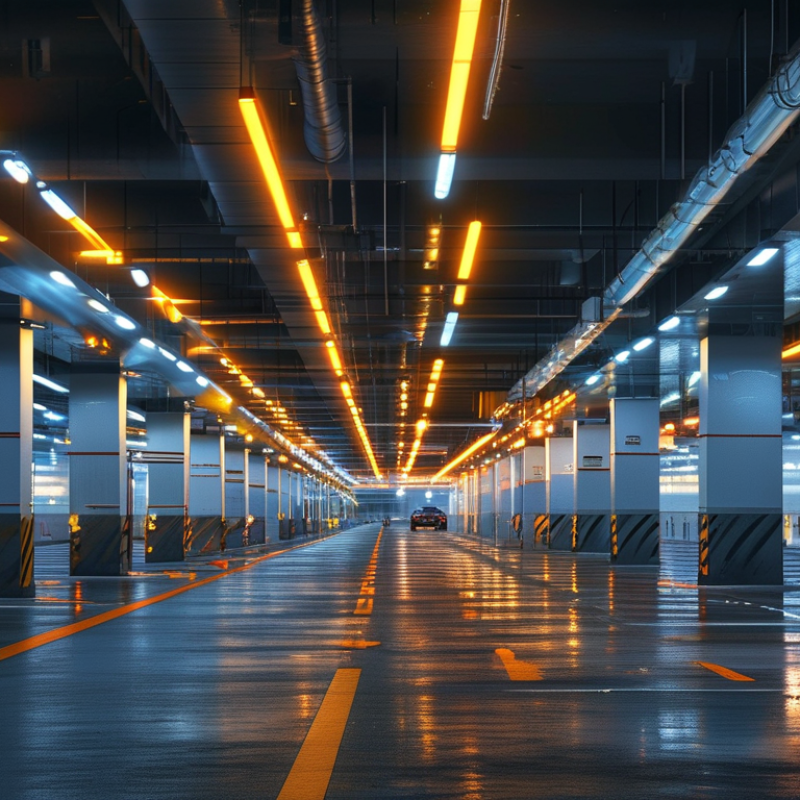
In 2026, understanding the energy consumption of parking lot lights is crucial for sustainability efforts.
Energy-efficient technologies are likely to dominate the market. This means significant changes in power usage compared to earlier years.
For instance, LED lights are emerging as a preferred choice. They consume less energy and have a longer lifespan.
One study noted that well-designed lighting can reduce energy costs by up to 50%. Adjusting light intensity based on real-time needs is a growing trend.
Parking lots may use smart systems to dim lights during off-peak hours. This adaptive approach minimizes unnecessary energy waste.
Tips for property managers: consider retrofitting old systems with modern tech. Regular maintenance is also vital to ensure efficiency.
Pay attention to local energy regulations; compliance can lead to cost savings. As the landscape of parking lot lighting evolves, staying informed is key.
When considering the power usage of commercial parking lot lights in 2026, various factors come into play. The type of lighting technology used significantly influences energy consumption. LED lights are becoming the norm because they last longer and consume less power than traditional bulbs. However, not all LEDs are equal; some may not perform optimally in colder climates.
The layout of the parking lot is another critical factor. A well-planned layout requires fewer lights, reducing overall energy use. Light placement affects shadows and visibility as well. Moreover, the efficiency of light fixtures can vary based on their design. Illuminating a large area with inadequate fixtures results in wastage.
Tips: Regular maintenance of lighting systems can improve efficiency. Cleaning fixtures ensures maximum brightness. Installing motion sensors can further reduce unnecessary energy consumption during low-traffic hours. Always assess whether the existing system meets your current needs. Adapting to new technology isn't always straightforward, but the long-term savings make it worthwhile.
| Lighting Type | Average Wattage (W) | Power Usage per Day (kWh) | Annual Energy Cost ($) | Lifespan (Years) |
|---|---|---|---|---|
| LED | 150 | 3.6 | 120.00 | 20 |
| HID | 400 | 9.6 | 320.00 | 5 |
| Fluorescent | 250 | 6.0 | 200.00 | 10 |
| Incandescent | 300 | 7.2 | 240.00 | 2 |
Parking lot lighting plays a vital role in safety and aesthetics. Choosing the right lighting technology can significantly affect energy consumption. LED, metal halide, and fluorescent lights are common options.
LED lights are energy-efficient and have a long lifespan. They use less power compared to traditional lights. This efficiency results in lower energy bills. However, upfront costs for LEDs are higher. It’s essential to evaluate the long-term benefits versus the initial investment.
Metal halide lights provide bright illumination but consume more power. Their lifespan is shorter than LEDs. Businesses must consider whether brighter light is worth the extra energy use. Fluorescent lights are cheaper but tend to flicker and have a shorter lifespan than both LEDs and metal halide options.
Tip: Always calculate the total cost of ownership for each lighting type over several years. This includes purchase price, energy use, and maintenance.
Choosing the right lighting can be complex. Think about what matters most: brightness, energy cost, or longevity. Prioritize your specific needs before making a decision.
Parking lot lighting plays an essential role in safety and security. By 2026, the power consumption of commercial parking lot lights will be a significant concern. According to a recent energy report, parking lot lighting consumes approximately 40% of total energy in commercial properties. This fact emphasizes the need for efficiency and cost management.
The cost associated with lighting can vary. A typical LED light can use between 100 to 400 watts. This translates to annual costs ranging from $200 to $800 per light, based on local electricity rates. Additionally, maintenance and replacement costs can add up over time. Regular assessments of the lighting system can lead to increased efficiency.
Switching to smart lighting controls may present a way forward. These systems can adjust brightness based on occupancy. Reports indicate that such systems can reduce energy costs by up to 30%. However, they also demand a reliable setup and ongoing monitoring. Operators must weigh these potential savings against initial investment costs. Finding the right balance is crucial.
In 2026, energy efficiency in commercial parking lot lighting is set to evolve significantly. Current industry reports indicate that LED technology will dominate, offering up to 75% energy savings compared to traditional lighting. This shift aligns with the growing emphasis on sustainability. According to the U.S. Department of Energy, the adoption of LEDs in outdoor applications is projected to reach over 80% by 2026. This transition reflects a clear trend toward greener solutions.
However, challenges remain. Many parking lots are still reliant on older lighting technologies, which can hinder overall efficiency gains. Excessive energy waste is a tangible issue that managers must face. A recent study revealed that poorly maintained lighting systems can consume up to 30% more energy. Consequently, regular maintenance and timely upgrades are critical to achieving desired efficiency levels.
Looking forward, smart lighting solutions will likely become more common. These systems can adjust brightness based on occupancy, further enhancing energy savings. Research suggests that integrating smart technology could result in an additional 20-30% reduction in energy usage. Moving forward, commercial property owners must consider these advancements to stay competitive and responsible.
: LED lights consume less energy and last longer. They also help lower energy bills significantly.
Regular maintenance and retrofitting older systems help improve efficiency. Cleaning fixtures also maximizes brightness.
Smart systems can adjust light intensity based on real-time needs. This reduces energy waste during off-peak hours.
A well-planned layout requires fewer lights. Proper placement can minimize shadows and improve visibility.
Evaluate the balance between initial costs and long-term benefits. Consider brightness, energy expenses, and lifespan.
No, some LED lights may underperform in colder climates. It's essential to assess their effectiveness based on the location.
They provide bright illumination but consume more energy and have a shorter lifespan compared to LEDs.
Fluorescent lights are cheaper but can flicker and don’t last as long as other lighting types.
Installing motion sensors can reduce energy usage during low-traffic times. Regular checks ensure everything is functioning well.
Adapting can be challenging. However, the long-term energy savings and efficiency improvements justify the effort.
The article "How Much Power Do Commercial Parking Lot Lights Use in 2026?" explores the evolving landscape of energy consumption in parking lot lighting. It delves into the various factors influencing power usage, such as the type of lighting technology employed and the specific requirements of the parking lot environment. A comprehensive comparison of different lighting technologies highlights their efficiency levels and overall impact on energy consumption.
Additionally, the article estimates the costs associated with powering commercial parking lot lights, providing a clearer picture of the financial implications for businesses. Future trends in energy efficiency indicate a positive shift towards more sustainable lighting solutions, which could significantly reduce the overall power consumption. Ultimately, understanding how much power do commercial parking lot lights consume is crucial for businesses aiming to optimize their energy usage and costs in the coming years.

Merak Lighting