Why are recessed downlights better than surface mounted fixtures? The answer depends on the room, ceiling, and lighting objective. Recessed downlights sit within the ceiling, creating a cleaner visual field and reducing fixture projection. In a narrow hallway, this can make the ceiling feel calmer and less crowded. Surface mounted fixtures remain visible, but they often simplify installation where concrete ceilings or limited plenum space make cutting impractical.
Energy performance depends more on the LED engine, optics, driver, and controls than on the mounting method. The U.S. Department of Energy reports that quality LED lighting can use at least 75% less energy than incandescent lighting and last substantially longer. However, recessed housing alone does not guarantee efficiency. A poorly selected downlight can create glare, heat buildup, or difficult maintenance. That detail matters.
Professional specification should follow measured photometric data, including IES LM-79 testing for electrical and light-output performance. The International Energy Agency has also identified lighting efficiency and controls as important opportunities for reducing building electricity demand. Recessed designs can support focused beam control, layered lighting, and a lower-profile appearance. Surface fixtures may still win on retrofit speed, accessibility, and installation cost. The better choice is contextual.
From practical project experience, trim quality and glare control often matter more than appearance alone. I may be oversimplifying the comparison. A beautiful recessed layout can fail when spacing is careless or color temperature is inconsistent. The strongest decision balances visual comfort, maintenance access, ceiling construction, energy data, and the actual habits of occupants.
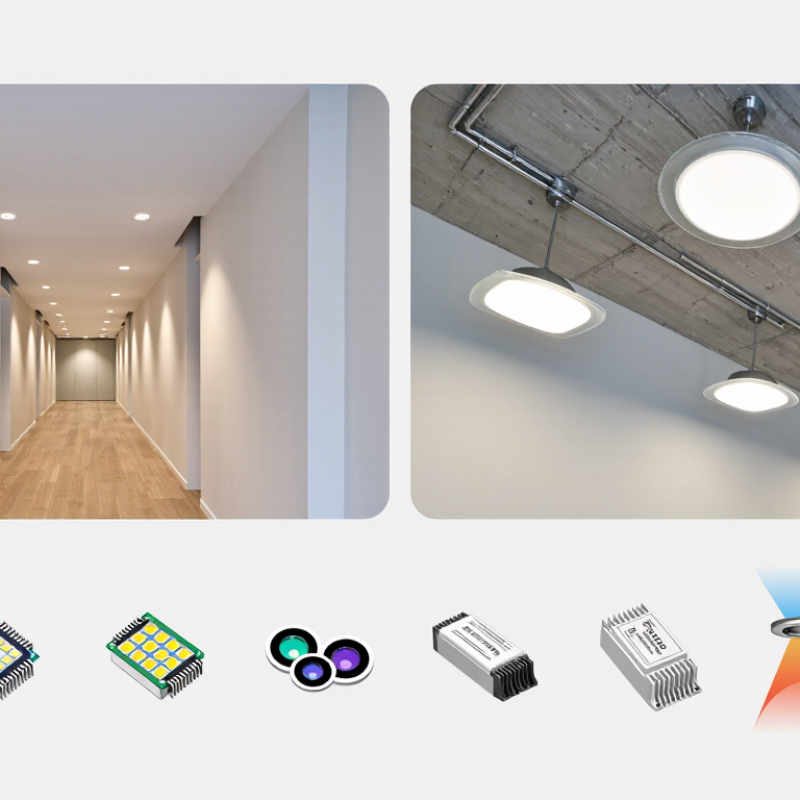
Why Are Recessed Downlights Better Than Surface Mounted Fixtures?
Definition and Design Principles of Recessed Downlights
Recessed downlights are luminaires installed inside a ceiling cavity. Only the aperture and trim remain visible. Surface-mounted fixtures sit below the ceiling, making their housings more prominent. This difference creates a cleaner visual field and can reduce ceiling clutter. It does not automatically create better lighting.
Design starts with the light source, beam angle, ceiling height, and task location. A narrow beam can highlight artwork or a kitchen island. A wider beam supports softer general illumination. The Illuminating Engineering Society recommends designing around target illuminance, uniformity, and glare control, rather than fixture appearance alone. The U.S. Department of Energy reports that LED products can use at least 75% less energy and last up to 25 times longer than incandescent lighting. The saving depends on correct installation and controls.
Spacing matters. Too many downlights produce bright spots. Too few create dark gaps. Use shielding and careful aiming. Glare remains a common weakness. The Unified Glare Rating system, referenced in EN 12464-1, helps designers evaluate discomfort glare in indoor spaces. Thermal management also matters because insulation can restrict heat dissipation. Field installers often find that cramped ceiling cavities reduce expected performance. That detail is easy to miss. A practical design should check insulation clearance, access, dimming compatibility, and maintenance before cutting the ceiling. Recessed fixtures can look refined, but poor placement may make a room feel flat, harsh, or strangely uneven.
Recessed downlights sit inside the ceiling, so their trim creates a clean, continuous plane. Surface-mounted fixtures remain visible and attach directly to a junction box. The installation difference is substantial. Recessed work usually requires accurate cutting, ceiling access, insulation checks, and airtight sealing. Surface mounting needs fewer tools and causes less disturbance. That matters in finished rooms.
The U.S. Department of Energy reports that LEDs use at least 75% less energy than incandescent lighting and last up to 25 times longer. The International Energy Agency also identifies lighting as roughly 15% of global electricity consumption. However, installation still controls performance. Recessed units can distribute light evenly across kitchens or corridors when spacing and beam angles are calculated correctly. Surface fixtures may offer easier maintenance and simpler replacement. In shallow ceilings, they can avoid ducts and structural conflicts.
DOE solid-state lighting research reports laboratory LED efficacy above 200 lumens per watt. Complete fixtures perform lower after optics, drivers, and thermal losses. This gap deserves attention. A poorly sealed recessed housing can leak conditioned air and increase service time. A surface fixture may look bulky, but replacement is often quicker. I would check ceiling depth, insulation, junction-box capacity, glare, and access before choosing. I have seen neat-looking recesses fail because installers ignored those basics. Sometimes simplicity wins.
Recessed downlights can improve lighting performance when they are planned around the room’s real tasks. Their light source sits inside the ceiling, which can reduce exposed glare and create a cleaner beam. In kitchens, several smaller fixtures often spread light more evenly across worktops. I have found that spacing matters more than raw brightness. A powerful lamp in the wrong position still leaves dark corners. Beam angle, color temperature, and dimming control should match the room’s use. Warm light can soften a living area, while neutral light may support detailed work.
They also preserve valuable space. Surface mounted fixtures extend below the ceiling and may interfere with tall cabinets, doors, or low beams. Recessed fittings keep the ceiling line visually quiet. This is useful in compact bedrooms and narrow corridors. However, installation needs enough ceiling depth and safe access for wiring. Retrofitting them can create dust, repair work, and unexpected costs. That practical drawback is easy to overlook.
Visually, recessed downlights support a calmer interior because the ceiling appears less crowded. The eye notices furniture, wall texture, and architectural lines first. A carefully arranged layout can make a small room feel more open. Yet too many fixtures may produce a dotted, commercial appearance. I have seen attractive rooms weakened by uniform rows of lights. A slightly irregular plan, based on furniture and circulation, often feels more natural. Good lighting is not invisible by accident. It is shaped by restraint, testing, and occasional reconsideration.
Recessed downlights can reduce energy use when their optics direct light onto floors, worktops, and displays. Less light spills onto ceilings or walls. In occupied homes and offices, this often allows fewer fixtures or lower-wattage LED lamps. A well-planned layout also reduces dark corners, so users may not add extra lamps later. That practical detail matters.
Maintenance is usually easier when the fitting uses replaceable components and remains accessible from below. Dust still gathers around the trim. Heat can also shorten driver life when insulation blocks ventilation. During inspections, I would check insulation clearance, connection points, dimmer compatibility, and light output. A five-minute check can prevent repeated callouts.
Surface-mounted fixtures are not automatically wasteful. They can be cheaper to install and easier to replace in concrete ceilings. Recessed units may require cutting, fire protection, and more installation time. Those costs can weaken the long-term saving. I have seen energy calculations look convincing until labor and access equipment were added. That conclusion needs testing against actual occupancy, electricity rates, cleaning schedules, and expected service life. Meter readings and maintenance records provide stronger evidence than showroom brightness. Poor planning remains expensive.
Choosing the right fixture depends more on the room than on appearance. Recessed downlights suit clean ceilings and focused illumination. They work well in kitchens, studies, and hallways with clear ceiling cavities. Their trim sits nearly flush, which helps small rooms feel less crowded. However, installation may require cutting, wiring access, and suitable insulation protection.
Surface mounted fixtures are often practical for low ceilings, concrete slabs, or renovation projects. They attach directly to the ceiling and usually provide wider, softer coverage. In bedrooms, dining areas, and living rooms, this can create a calmer atmosphere. They are also easier to replace when future maintenance matters. I have found them useful where recessed installation would disturb finished surfaces.
Different rooms need different light behavior. Kitchens benefit from several recessed fixtures over work zones, rather than one bright point. Bathrooms require fixtures approved for the local moisture conditions. Living rooms often need dimming and warmer color temperatures. Hallways may need fewer fittings with broader beam angles. Surface fixtures can suit utility rooms where visibility matters more than visual simplicity.
Details matter.
Check glare, color rendering, ceiling height, and switch placement before choosing. A narrow beam can create sharp shadows on a kitchen counter. A very bright fixture may feel uncomfortable beside a television. I once planned downlights too close to a wall, and the uneven light made the room look smaller. A revised layout improved it, but the mistake was avoidable. Qualified installation should follow local electrical requirements.
Recessed fixtures sit inside the ceiling. Surface-mounted fixtures remain visible and attach to a junction box.
Surface mounting usually needs fewer tools and less ceiling access. Recessed installation may require cutting, dust control, and ceiling repairs.
Check ceiling depth, insulation, wiring access, junction-box capacity, and airtight sealing. These details matter more than appearance.
Yes. They preserve the ceiling line and avoid interference with cabinets, doors, and low beams. Small rooms benefit most.
Plan spacing around real tasks. Use beam angles and dimming controls carefully. Brightness alone cannot prevent dark corners.
Usually, yes. Replacement often takes less time because the fixture remains accessible below the ceiling.
LEDs use much less energy than incandescent lamps. Complete fixtures perform below laboratory ratings because optics, drivers, and heat reduce output.
Yes. Uniform rows can create a dotted, commercial look. Furniture placement and circulation should guide the layout.
No. Surface fixtures may look bulkier, but simplicity sometimes wins. I have seen attractive recesses fail after basic checks were ignored.
Inspect the ceiling, measure available depth, and consider future access. Test glare and shadows before committing. Small mistakes remain visible.
Why are recessed downlights better than surface mounted fixtures? Their low-profile design sits within the ceiling, creating a clean, modern appearance while directing light precisely where it is needed. Compared with surface-mounted fixtures, recessed downlights can reduce visual clutter, make better use of limited space, and provide a more integrated lighting effect. They are especially suitable for rooms where a streamlined ceiling and flexible illumination are important.
Recessed downlights can also support energy-efficient lighting when paired with suitable lamps and controls, helping reduce long-term operating costs. However, installation may require ceiling access, careful planning, and consideration of insulation, ventilation, and maintenance needs. Surface-mounted fixtures remain practical where installation must be simple or ceiling access is limited. The best choice depends on the room’s size, ceiling structure, desired atmosphere, lighting performance, and future maintenance requirements.

Merak Lighting