Stadium lights are an essential part of the game experience, illuminating the field and creating the right atmosphere. When the lights are turned on, spectators anticipate a swift transition from darkness to brightness. However, many wonder, "why do stadium lights take so long to turn on?" The answer lies in the technology behind these powerful lights.
Most stadiums utilize high-intensity discharge (HID) lamps. These lamps require time to heat up before they reach their full brightness. Immediately turning on these lights doesn't yield the instant illumination many expect. Instead, they start dim and gradually brighten. This process, while critical for longevity, can lead to frustration among fans eager for the action to begin.
In addition, factors such as the type of lighting system and stadium design play vital roles. Some systems prioritize energy efficiency and safety, which can slow activation. Understanding these intricacies can enhance our appreciation of stadium operations. However, it also prompts questions about advancements in technology. Exploring this issue invites reflection on how we can improve our lighting standards for a better spectator experience.
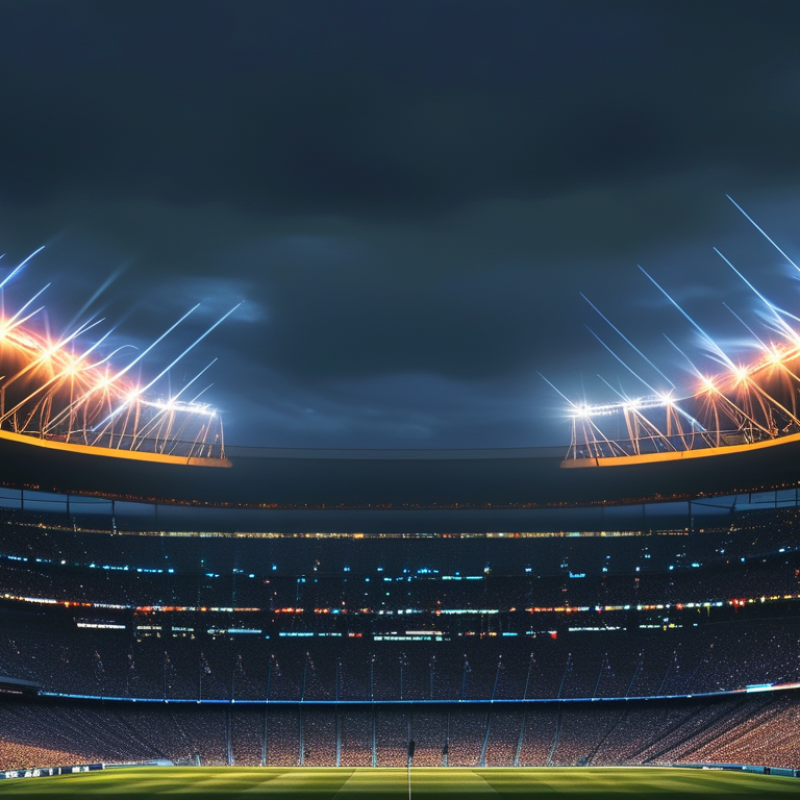
Stadium lighting has advanced significantly over the years. However, the time it takes for these lights to fully illuminate can be surprising. The main reason lies in the technology used for large-scale lighting systems. Many stadiums use high-intensity discharge (HID) lamps. These lamps require time to reach their maximum brightness. It often takes several minutes for them to reach full illumination. This delay can impact the overall experience for fans and players.
Design is another critical factor. Stadium lighting is carefully planned to ensure even distribution. If lights turned on instantly, it could create uneven patches of brightness. These brightness variations could affect visibility significantly. Additionally, the cooling down phase for some types of lighting is essential. Cold starts in stadium lights may introduce flickering, which is undesirable.
Despite improvements in LED technology, challenges remain. While LEDs provide instant lighting, they might not always offer the same power levels as traditional systems. Stadiums may struggle to balance energy efficiency and performance. The transition is ongoing, highlighting the complexities of modern lighting design. As technology evolves, so do the solutions to enhance the spectator experience. Being patient with this process is essential.
: Stadium lights, especially HID lamps, need time to reach maximum brightness. It can take several minutes.
Factors include the type of lamp used, electrical systems, and environmental conditions like temperature.
Lighting design ensures even light distribution. Instant illumination could cause visibility issues due to uneven brightness.
LEDs provide instant lighting, but may not match the power levels of traditional systems. Balancing energy and performance is tricky.
Lights must heat up to reach optimal brightness. Turning them on too quickly can cause flickering or failures.
Extreme temperatures may slow the lighting mechanism. Cold weather can cause significant performance delays.
Regular inspections prevent delays and ensure lights operate smoothly. Maintenance issues can disrupt events, causing frustration.
Yes, delays can impact overall experience. Fans may become impatient waiting for lights to fully brighten.
Ongoing evaluation of lighting technology and addressing maintenance issues are critical. Being patient with transitions is also essential.
Stadium lighting technology is complex, and understanding why do stadium lights take so long to turn on involves exploring several key factors. The physical mechanics behind light activation, including the warming-up time for certain types of lights, contribute significantly to this delay. Factors such as the design of the lighting system, the type of bulbs used, and any potential maintenance issues also play a critical role in the activation speed of stadium lights.
Additionally, safety standards and regulations must be adhered to when operating these lighting systems. This ensures that lights are turned on in a controlled manner, prioritizing the safety of the athletes and spectators alike. Overall, the combination of technical considerations and regulatory compliance explains the often lengthy wait for stadium lights to fully activate before events commence.

 Merak Lighting