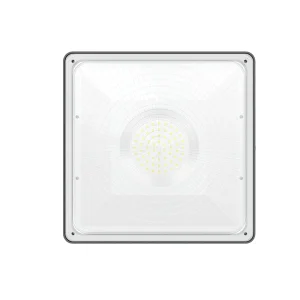
High-durability architectural, security, and industrial luminaires built to thrive under harsh environments and optimize operational downtime.
High-Intensity Discharge (HID) lighting systems—including Metal Halide (MH), High-Pressure Sodium (HPS), and Mercury Vapor lamps—have traditionally formed the backbone of global industrial infrastructure. Renowned for their high lumen output and intense light penetration, HID systems historically illuminated high-bay warehouses, manufacturing floors, municipal street networks, sports complexes, and heavy-duty maritime vessels. However, as global regulations on energy use and mercury disposal tighten, the industry is witnessing a significant pivot. The modern design paradigm focuses on optimizing performance through advanced optical distribution and retrofitting legacy structures with high-efficacy, solid-state lighting (SSL) technologies.
From an engineering perspective, traditional HID systems face intrinsic vulnerabilities: a protracted warm-up and restrike delay, significant lumen depreciation over operating lifetimes, and substantial thermal load dissipation. Leading manufacturers in China are addressing these limitations through dual approaches: offering high-grade, durable replacement components for existing HID systems (ballasts, ignitors, and specialized arc tube assemblies) and developing state-of-the-art LED-based retrofits that mimic the luminous intensity distributions of traditional HIDs while yielding up to 70% energy savings. By utilizing specialized optics and robust physical shells, these modern hybrid systems provide the high-density lumen packages required by heavy industry while resolving maintenance bottlenecks.
B2B procurement professionals, engineering contractors, and operations managers do not simply purchase light fixtures; they buy operational continuity, risk mitigation, and documented compliance. For high-output applications like petrochemical processing, logistics hubs, maritime ports, and municipal highways, lighting systems must meet stringent performance and safety thresholds. When sourcing from China, global enterprises analyze key performance indicators (KPIs) and compliance criteria to ensure site compatibility and safety.
Key procurement considerations include:
How Zhongshan Merak Lighting Co., Ltd. integrates advanced lean manufacturing, strict quality control protocols, and agile logistics to power global operations.
Located in Zhongshan City, Guangdong Province, the global center of lighting manufacture, Zhongshan Merak Lighting Co., Ltd. stands as a premier direct manufacturer and OEM/ODM supplier. Operating under a comprehensive quality management framework, we ensure that from raw material inspection to final product burn-in, every stage of production is meticulously verified. Our manufacturing system combines vertical integration, advanced component testing, and agile customization pipelines to meet the exacting standards of international clients.
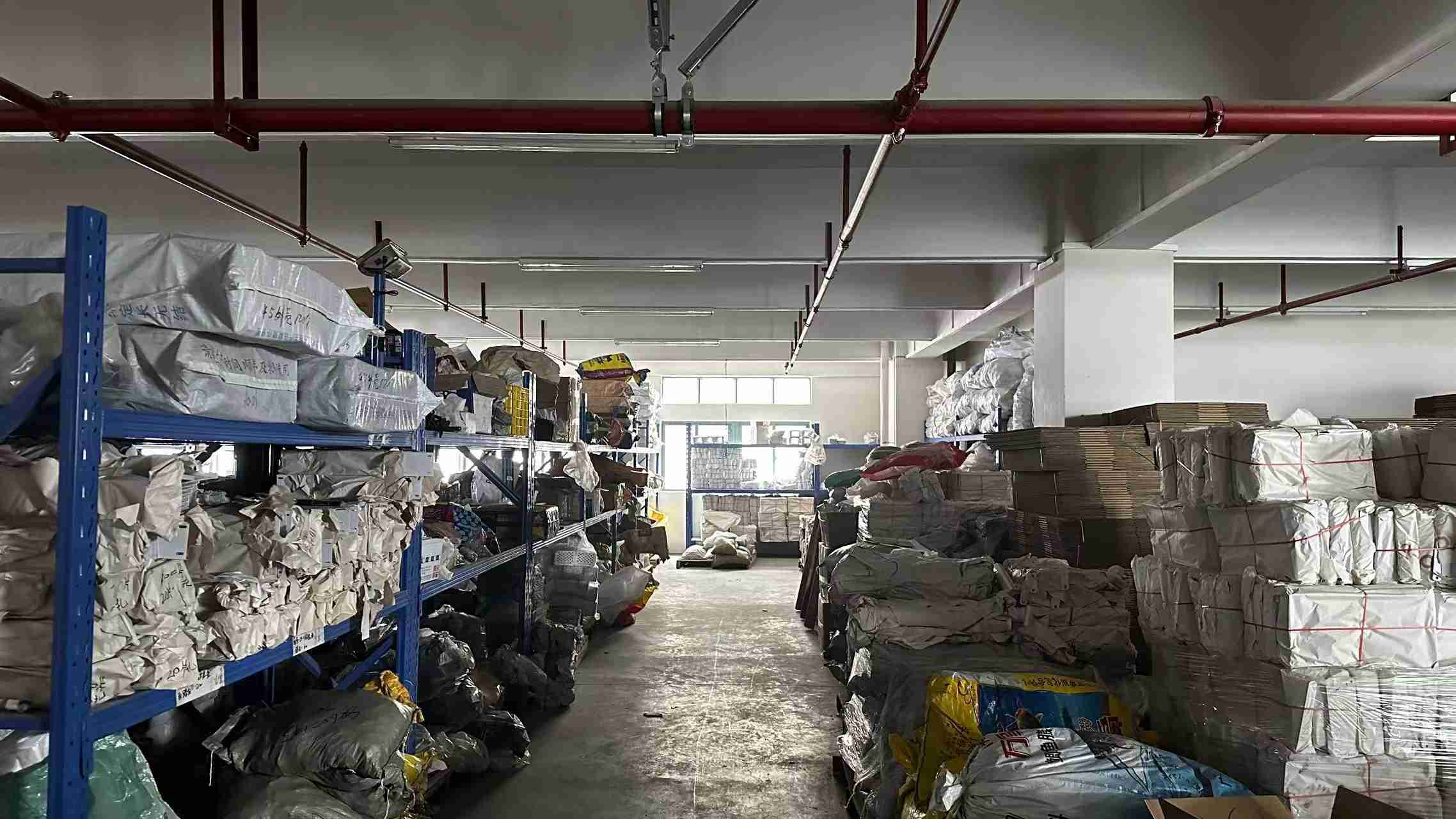
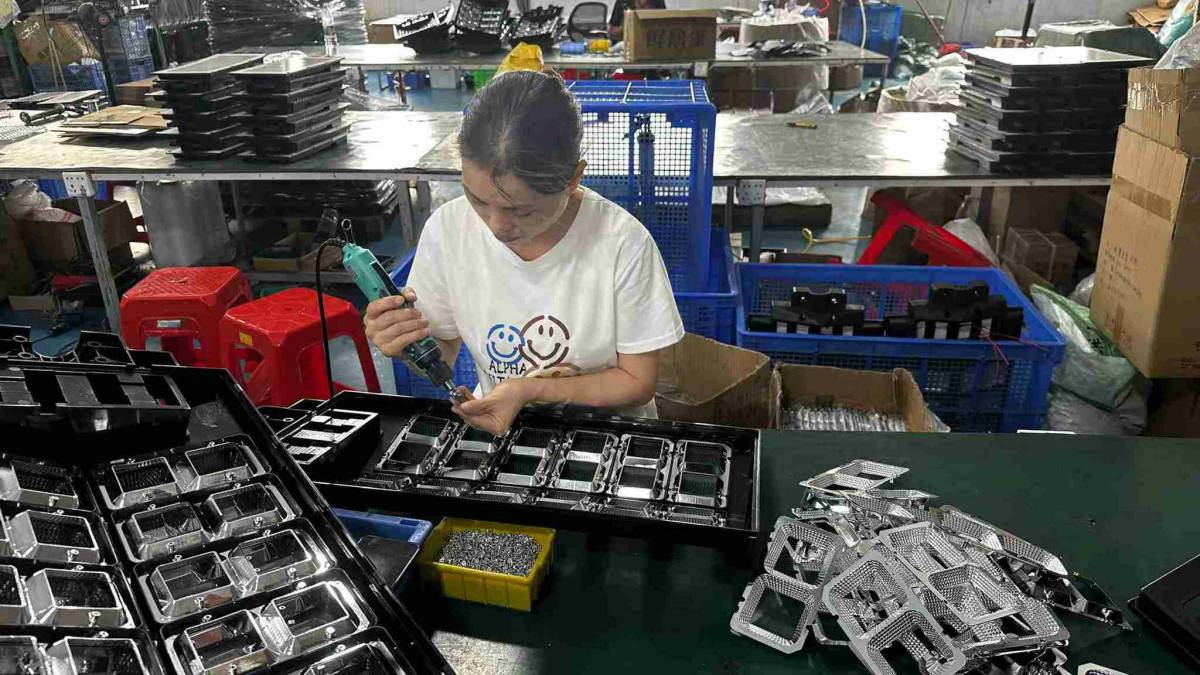
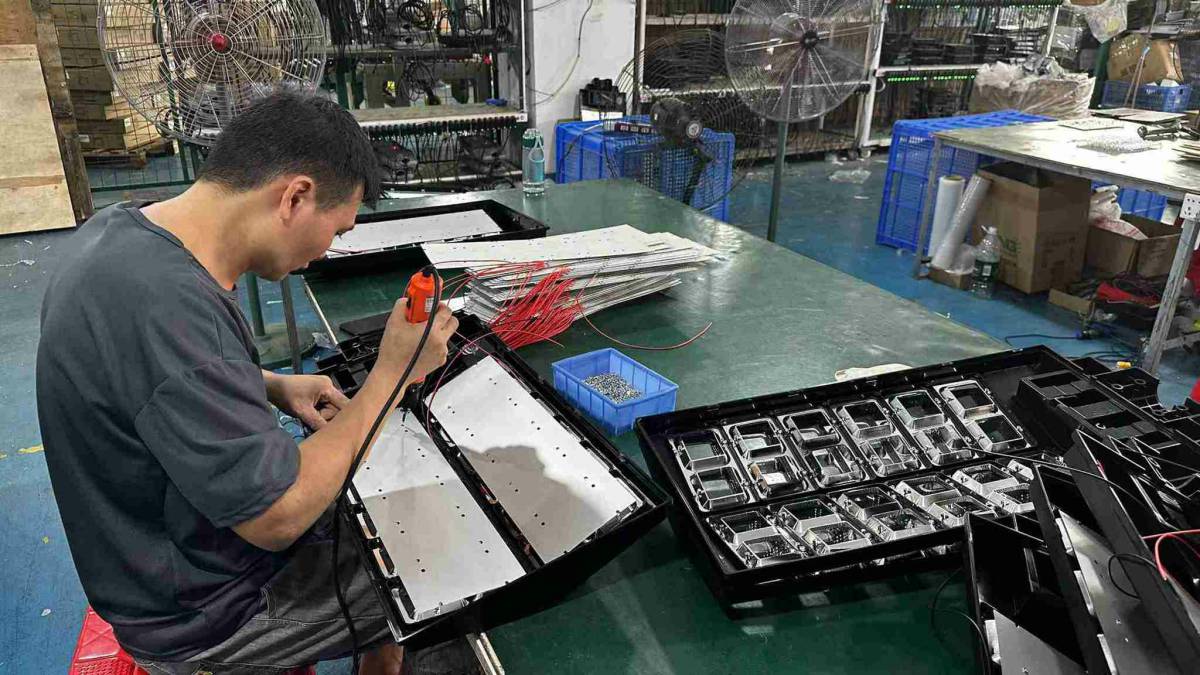
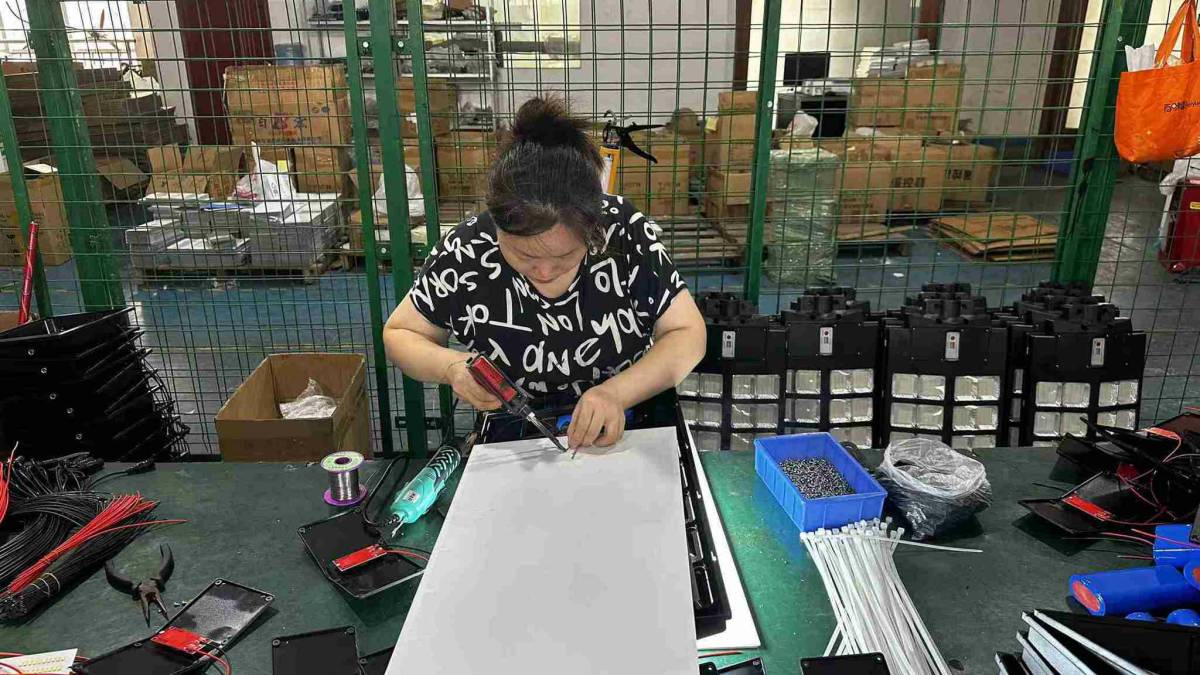
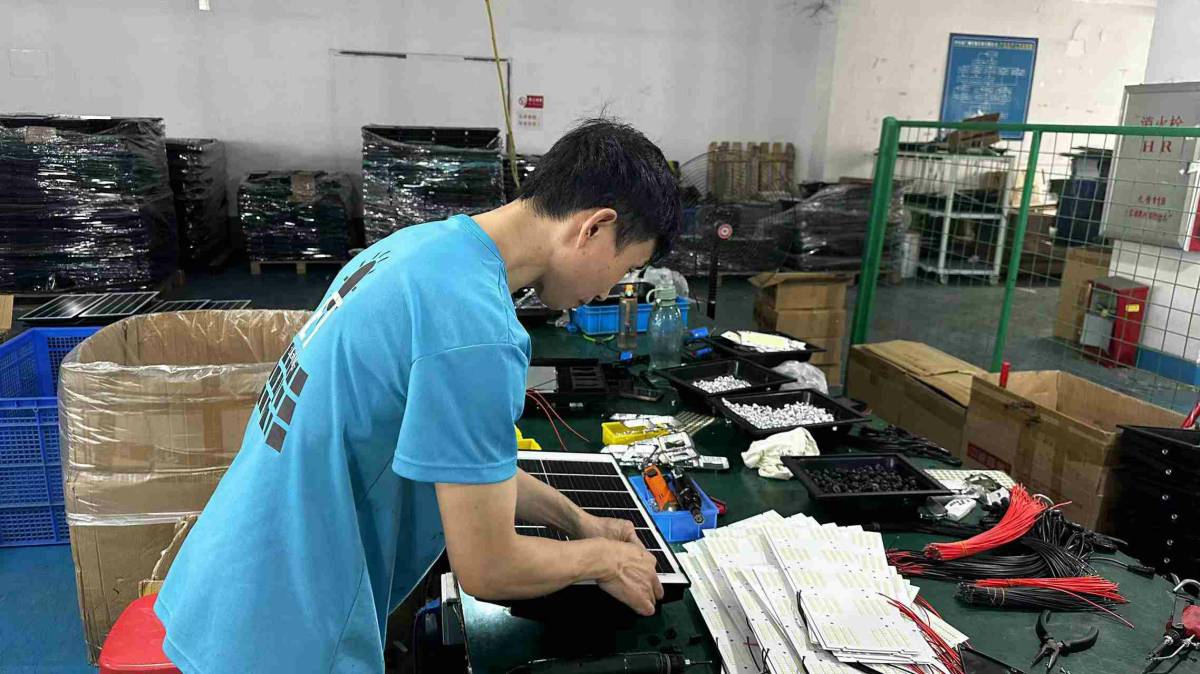
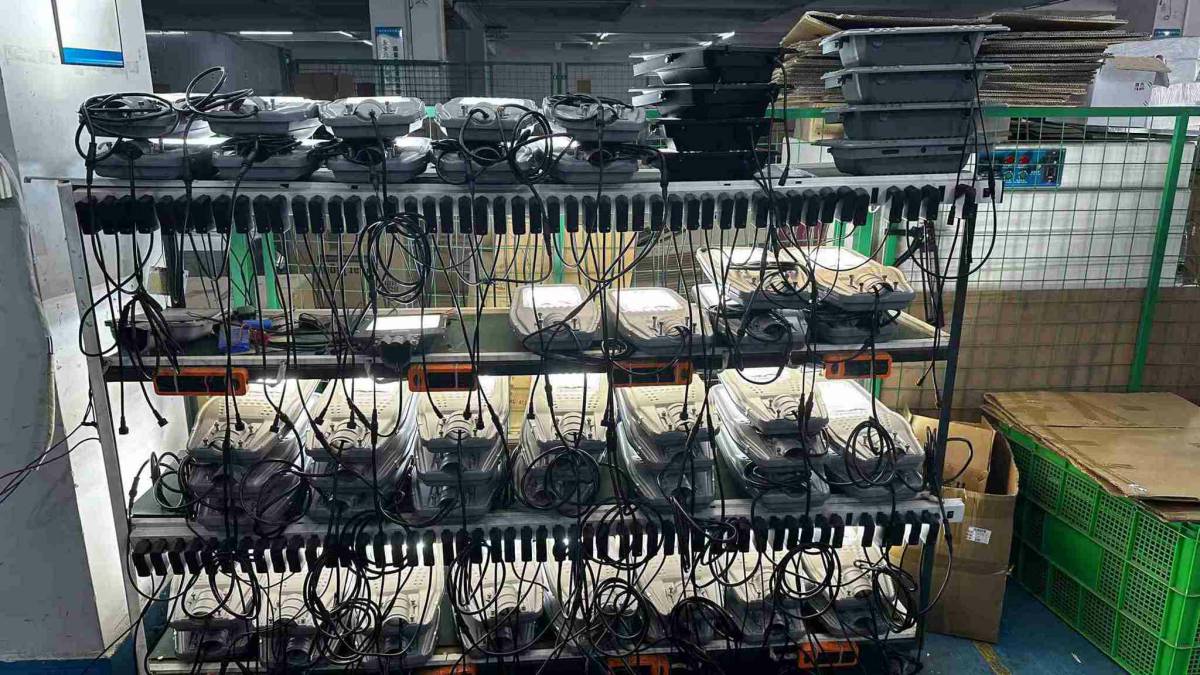
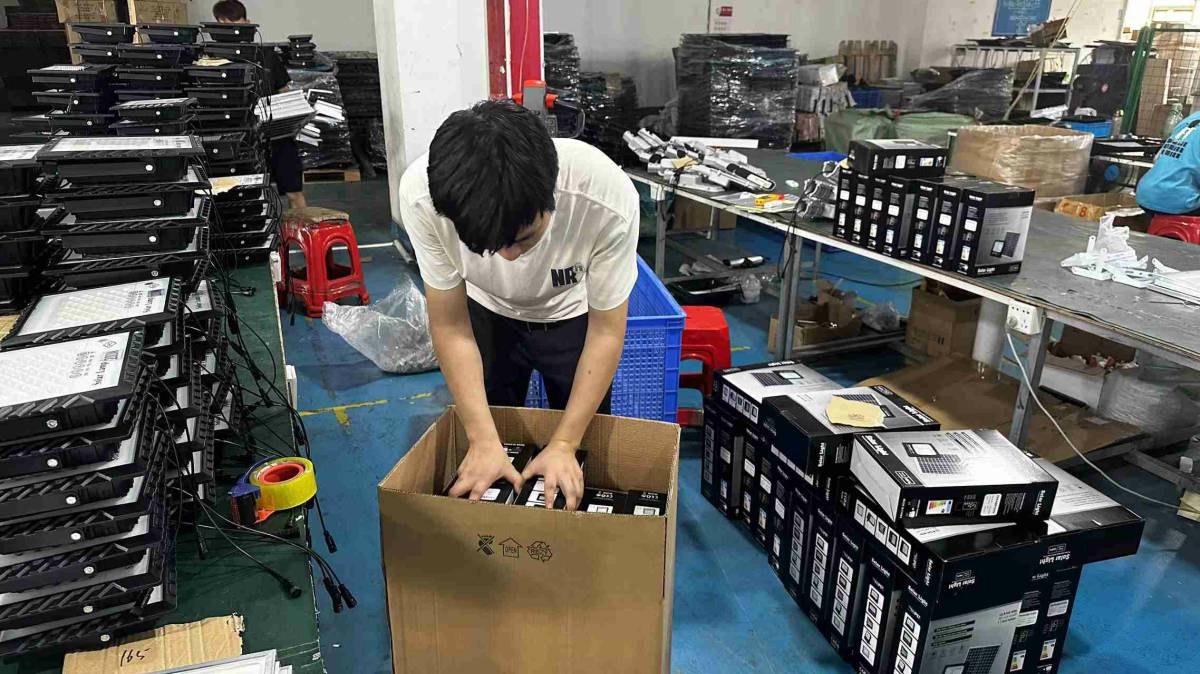
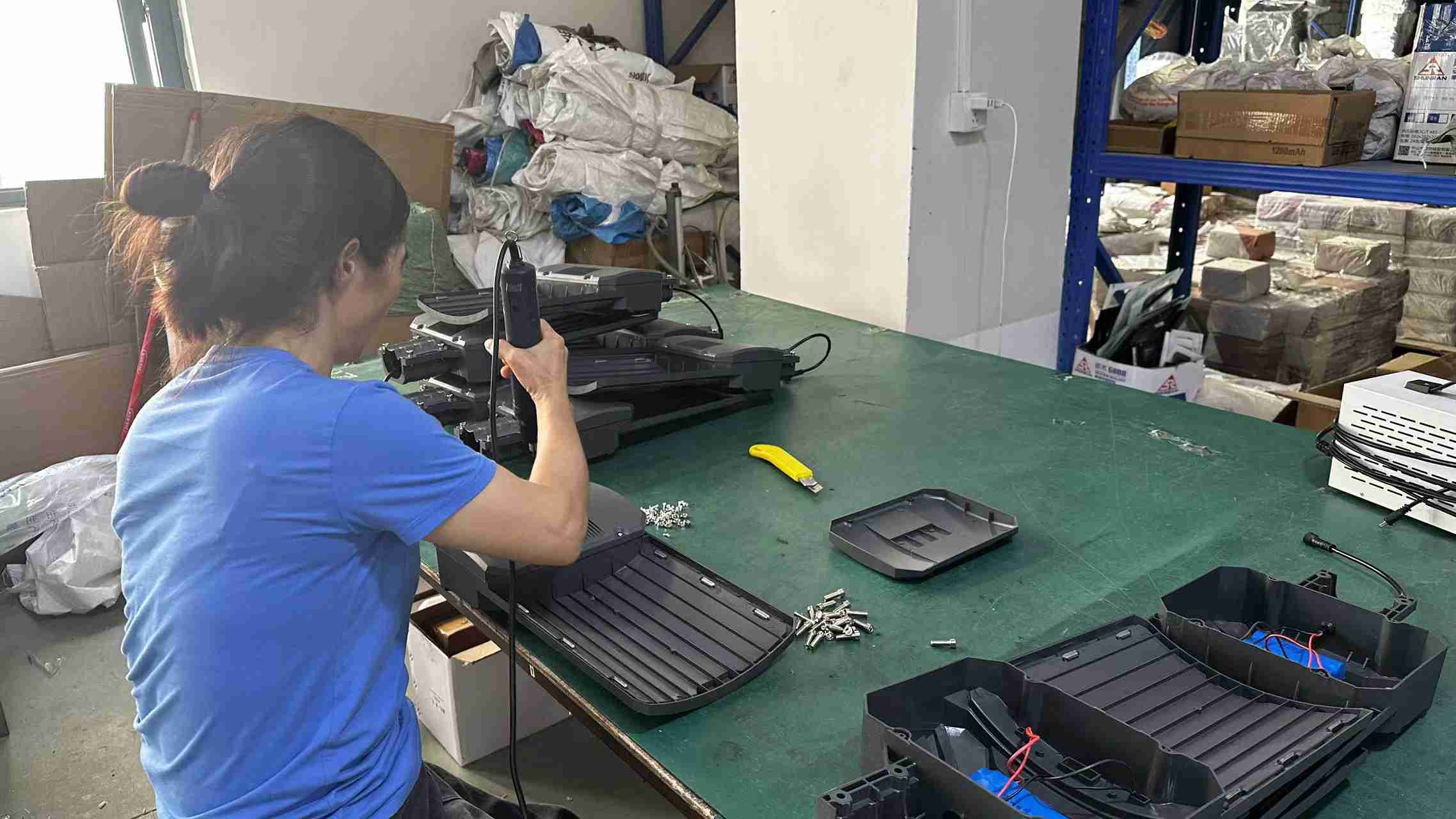
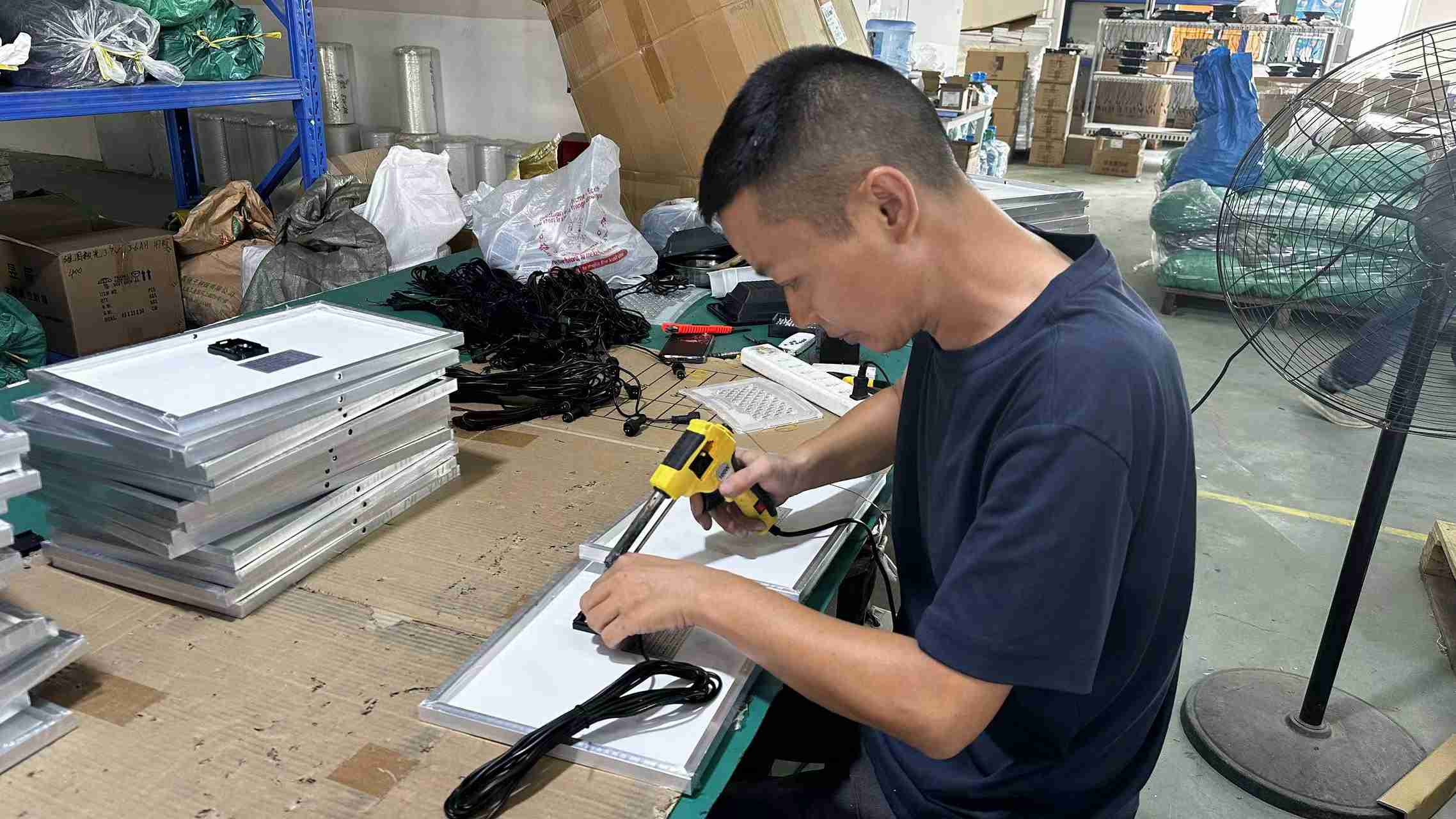
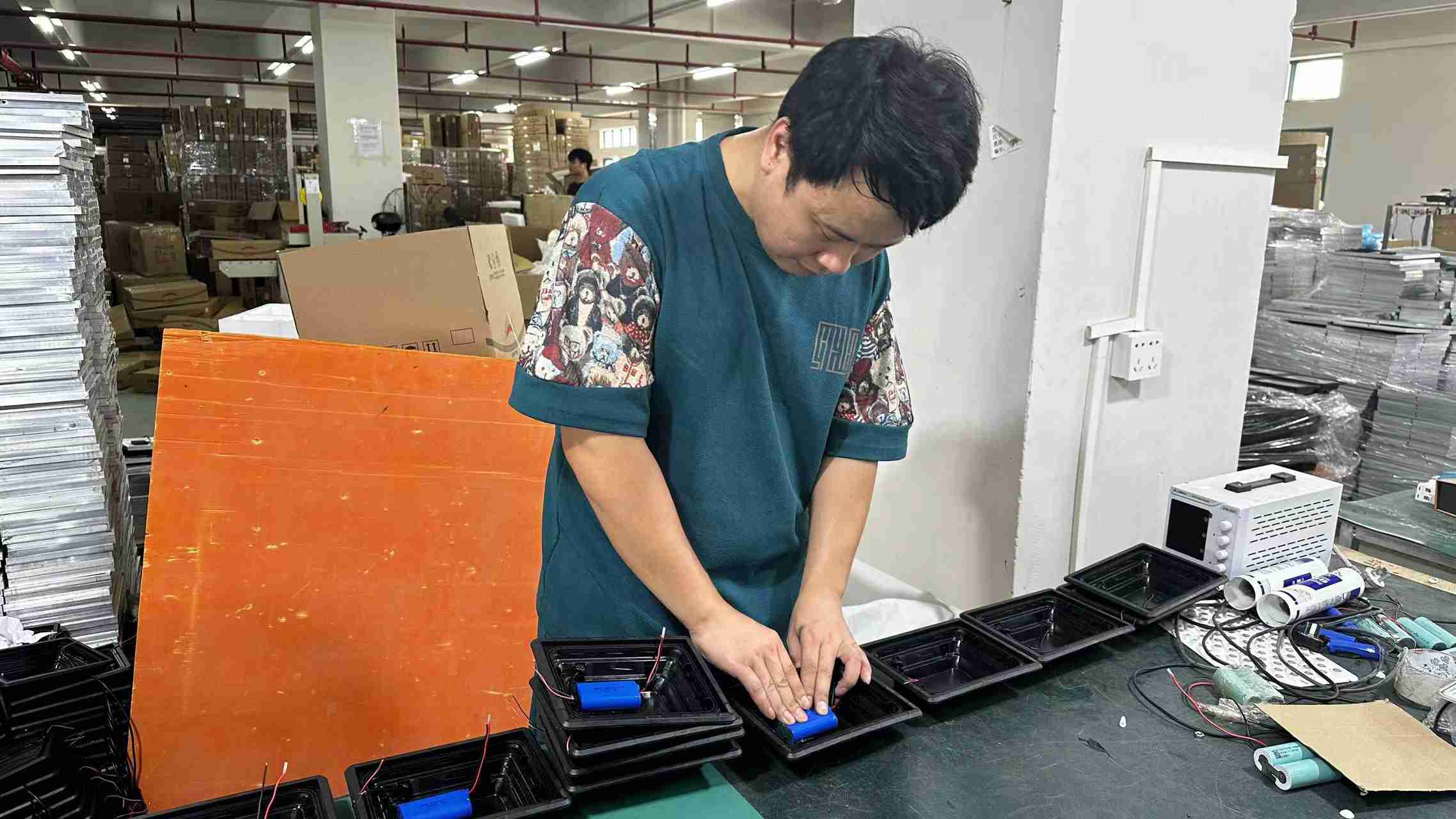
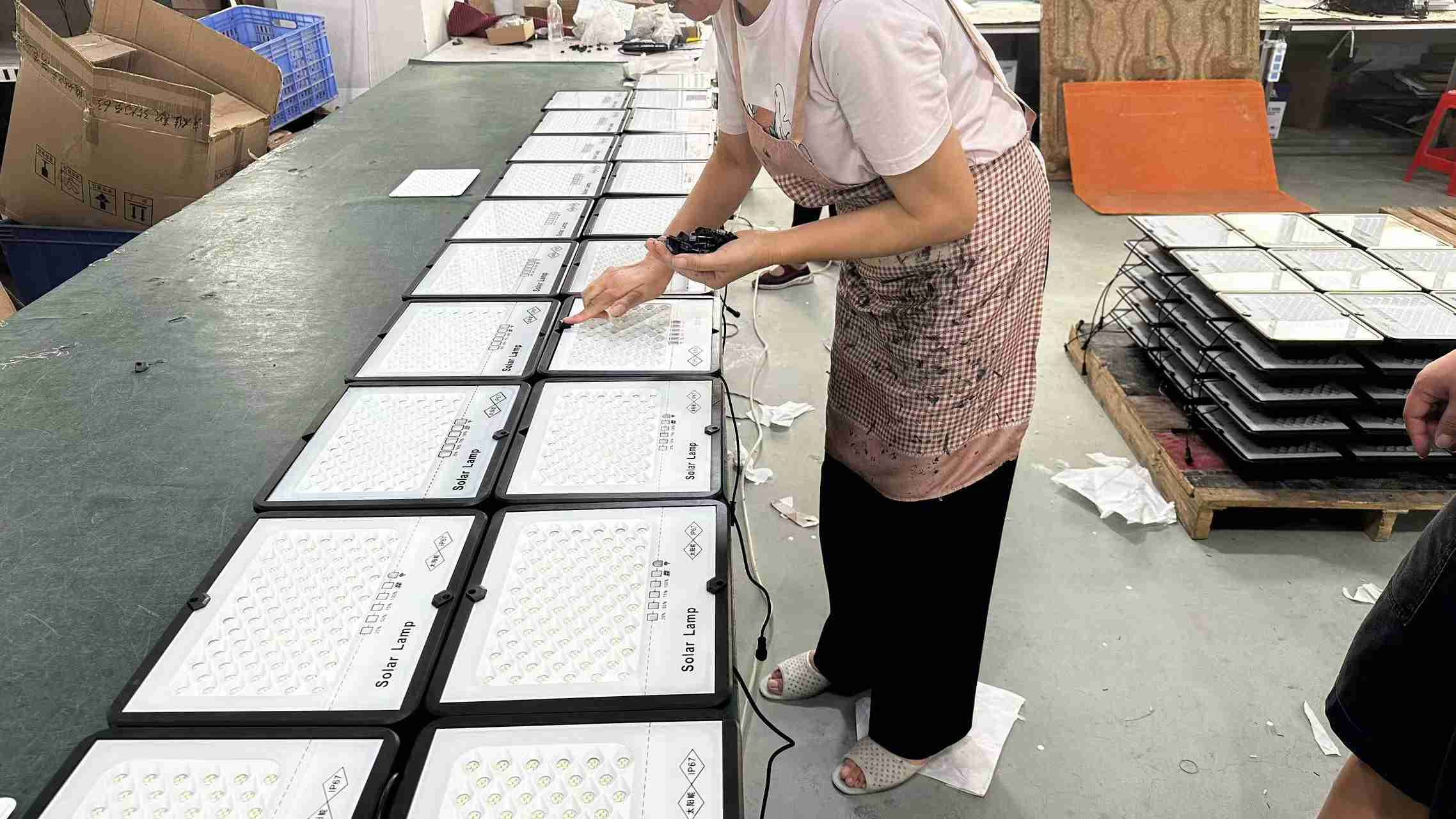
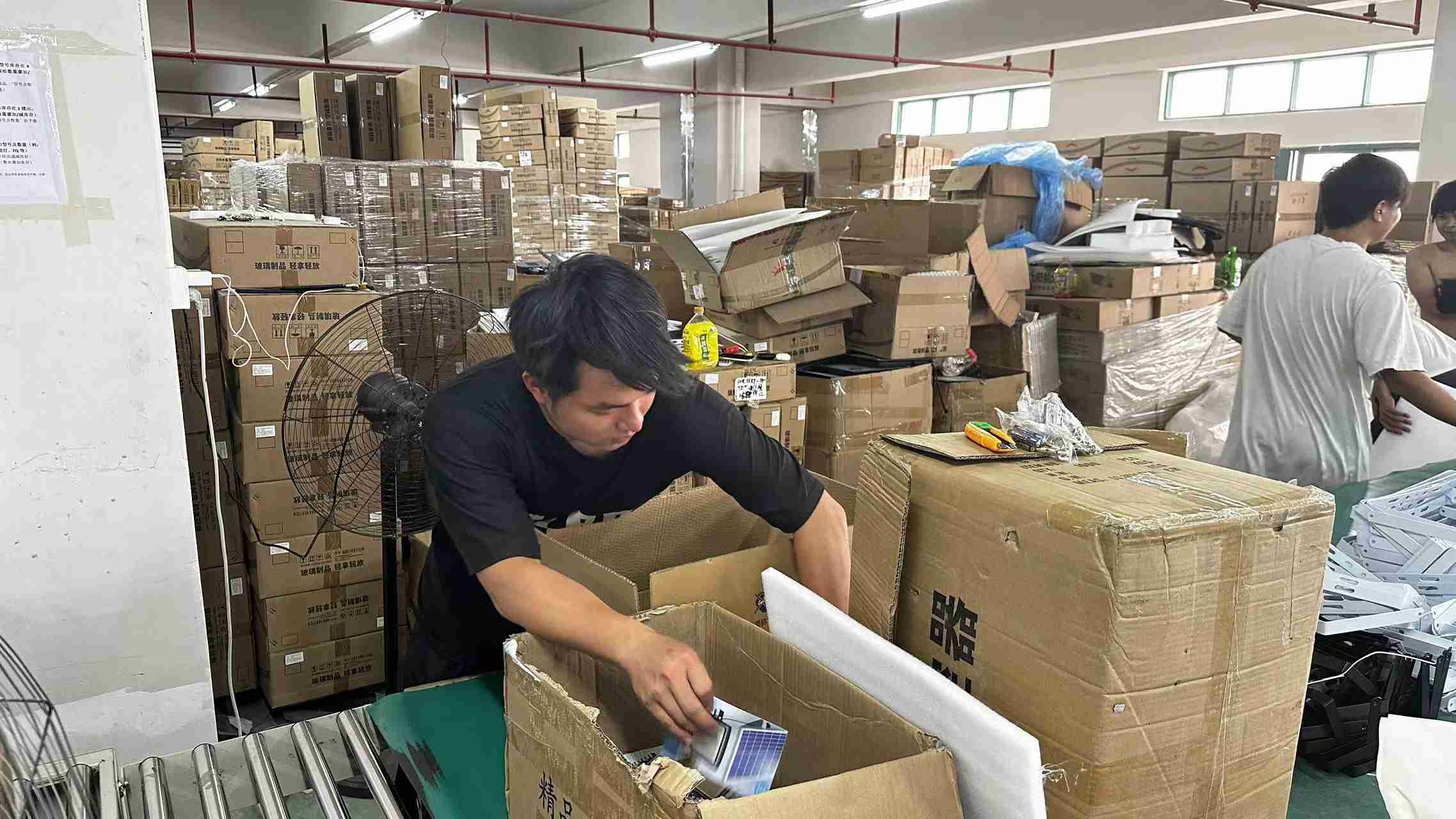
Merak Lighting's quality commitment is grounded in our structured fabrication stages: from verifying the purity of incoming die-cast alloys and heat-sink modules to utilizing computer-controlled automated screwing and welding processes that eliminate manual fatigue. Most importantly, every single fixture undergoes a minimum 24-to-48-hour continuous electrical load aging test inside controlled thermal chambers. This process simulates peak voltage surges and thermal spikes, filtering out early component failures so that clients receive only highly reliable field-ready hardware.
High-power luminaires are utilized across diverse and demanding industries. Achieving high performance requires designing fixtures that meet the environmental challenges of specific localized applications.
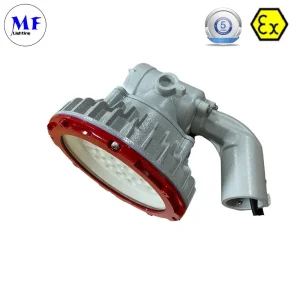
Refineries operate in atmospheres continuously laden with flammable vapors and dust particles. Here, lighting systems must prevent explosive ignition. Our ATEX-certified explosion-proof series utilizes copper-free cast aluminum alloy enclosures and high-strength tempered glass lenses to isolate electrical components, preventing sparks from reaching volatile environments.
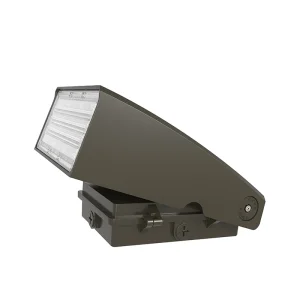
Marine environments subject fixtures to salt-mist corrosion, humidity, and constant physical vibration from heavy gantries. Our high-bay floodlights feature multi-stage anticorrosive coatings and 316 stainless-steel brackets. These features help prevent galvanic corrosion and physical shifting, keeping ports operational 24/7.
Foundries present challenges including extreme high-bay clearance, elevated ambient heat, and airborne dust particles. Standard fixtures often overheat or fail under these conditions. Our heavy-duty industrial fixtures are designed with dedicated chimney-effect convective channels, routing thermal energy away from drivers to prevent heat buildup and maintain consistent light levels.
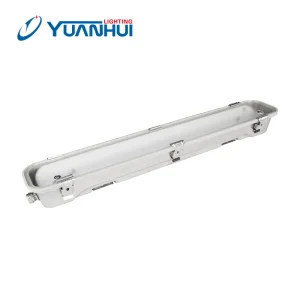
Subterranean tunnels require continuous illumination. Tunnel fixtures must operate without interruption while resisting vehicular soot, high-pressure washing, and exhaust acids. Our stainless-steel, IP66-rated tri-proof linear tubes provide consistent, high-uniformity light, helping to prevent driver fatigue and enhance roadway safety.
Under the core guiding values of Zhongshan Merak Lighting Co., Ltd., we prioritize the four foundational pillars of Google's search quality assessment framework: Experience, Expertise, Authoritativeness, and Trustworthiness.
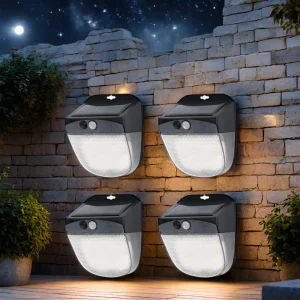
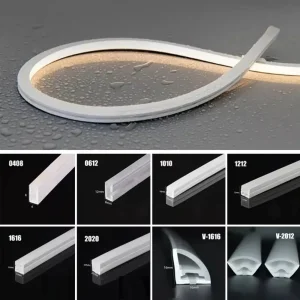
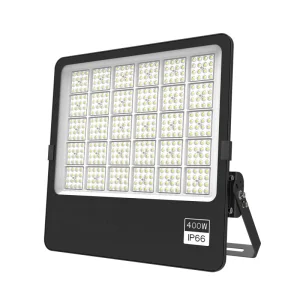
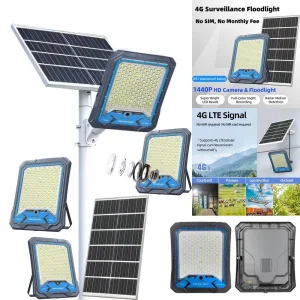
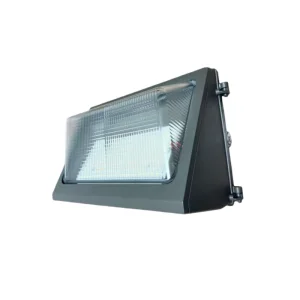
High-performance floodlights, sports arena fixtures, customized linear flexes, and smart solar-assisted units for commercial utility fields.
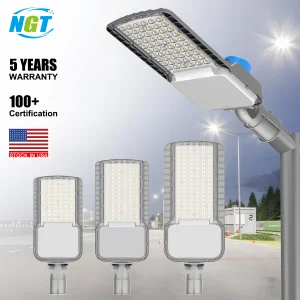
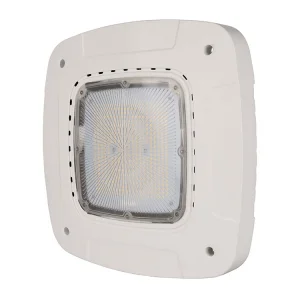
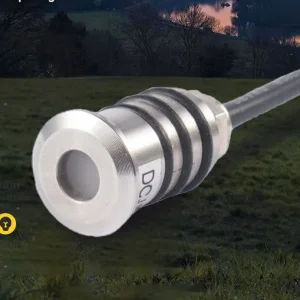
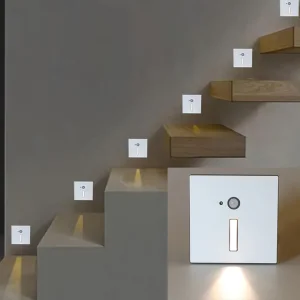
When engineering heads assess facility updates, initial equipment costs represent only one part of the financial equation. True efficiency is measured by calculating the Total Cost of Ownership (TCO) over a ten-year horizon. This evaluation includes electrical energy consumption, luminaire installation costs, maintenance cycles, and cooling overhead.
| Cost Variable (Per Unit) | Standard MH / HPS 400W HID System | Merak Industrial Retrofit 150W LED | Operational Metric & Savings |
|---|---|---|---|
| System Wattage (with Ballast) | 458 Watts | 150 Watts | 67.2% power reduction per hour |
| Average Service Life (L70) | 12,000 - 15,000 Hours | 50,000 - 100,000 Hours | Saves 4-5 bulb replacement cycles |
| Lumen Depreciation Rate | Fast (drops 30-40% within 5,000 hrs) | Negligible (under 1% per year) | Consistent light levels over time |
| Warm-Up & Restrike Delay | 5 to 15 Minutes | Instantaneous (under 0.5s) | Improves facility safety and response |
| Mercury Disposal Compliance | High compliance risk & recycling cost | Zero mercury (RoHS Compliant) | Simplifies environmental management |
While the initial purchase price of an industrial LED system can be higher than legacy HID lamps, the payback period is typically under 18 months in active industrial environments. When factoring in the labor costs of hiring scissor lifts and technicians to change high-bay bulbs, the long-term savings of upgrading become clear.
Answers to complex engineering questions regarding industrial HID systems and contemporary solid-state transitions.
Traditional HID lighting systems, particularly high-pressure sodium and metal halides, produce an intense light source that can pierce through thick smoke, airborne dust, and high moisture levels. Additionally, in some high-temperature foundry spaces, the electronics inside older magnetic HID ballasts can handle heat better than poorly designed LED drivers. However, advances in modern solid-state technology now allow heavy-duty LED replacements to perform reliably in these extreme environments as well.
The main challenge is ballast compatibility. If you choose a "plug-and-play" (Type A) LED bulb, it must work with the existing HID ballast. Alternatively, a "ballast-bypass" (Type B) installation requires a technician to disconnect the legacy ballast and wire the main voltage directly to the socket. This step eliminates ballast energy loss and prevents potential compatibility issues down the line.
Traditional HID light sources emit light in a 360-degree direction, requiring large reflectors to direct the output downward. This approach often results in lost light and uneven distribution. Modern LEDs are naturally directional, emitting light forward. Combined with precise optics, they direct illumination exactly where it is needed, reducing waste and improving uniformity.
ATEX compliance is determined by how well the luminaire prevents gas or dust in the air from reaching hot surfaces or electrical sparks inside. This protection is achieved using robust seals, thick metal enclosures, tempered glass, and thermal management to keep exterior surface temperatures below the ignition point of environmental gases.
Yes. Because we control the manufacturing process directly, Merak Lighting offers comprehensive customization. We can adjust driver specifications, customize brackets for specific physical installations, alter light distributions, and add emergency battery backups or daylight sensors to meet specific project needs.
 Merak Lighting