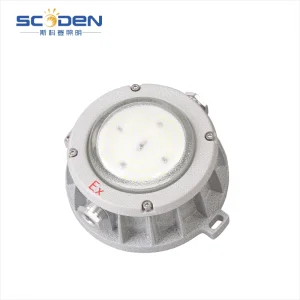
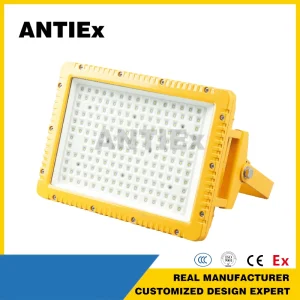
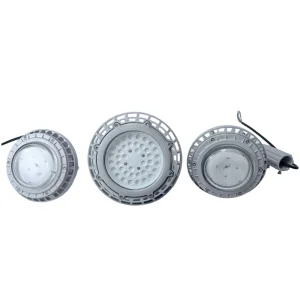
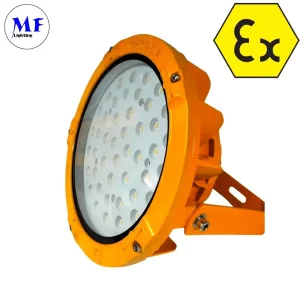
Top-tier certified fixtures engineered for immediate deployment in Namibia's critical industrial zones.
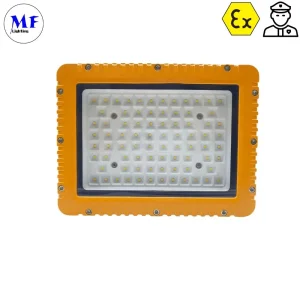
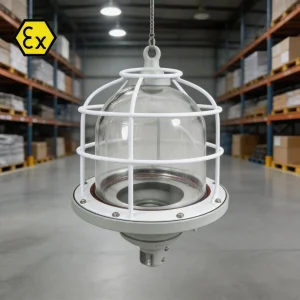
Namibia is undergoing a rapid industrial and resource expansion. Positioned as a major global exporter of uranium, and with major oil and gas discoveries in the offshore Orange Basin alongside emerging green hydrogen projects, the country is becoming a focal point of Sub-Saharan development. These high-stakes, volatile environments mandate uncompromising adherence to safety regulations, particularly regarding potential spark-induced ignitions in explosive atmospheres.
Uranium and Open-Cast Mining: Large-scale open-pit and underground operations such as Husab and Rössing process massive quantities of heavy ore. The processing facilities generate significant volumes of fine combustible dusts. These fall under Class II classifications (Zone 21 and 22), where dust accumulation coupled with high operating temperatures presents severe hazards. Standard lighting fixtures will overheat or let dust seep in, leading to failure or ignition.
Offshore Maritime and Oil & Gas Exploration: Off the coast of Walvis Bay and Lüderitz, deepwater exploration vessels, Floating Production Storage and Offloading (FPSO) units, and marine diamond mining fleets operate in highly corrosive, damp, and volatile saline atmospheres. Saltwater accelerate structural degradation while oil and gas extraction processes release flammable gases (methane, ethane), classifying these environments as Zone 1 and Zone 2, needing IIC T4 gas group explosion-proof lighting.
Lüderitz Green Hydrogen Projects: The development of Namibia’s Southern Corridor Development Initiative (SCDI) introduces hydrogen production. Hydrogen is highly volatile and has a very wide explosive range. Due to its lightweight molecular structure, it requires the most stringent IIC gas group classification. Lighting installations must guarantee that even under terminal fault conditions, no spark or hot surface can reach the hydrogen ignition threshold.
Zhongshan Merak Lighting Co., Ltd. addresses these challenges by custom engineering explosion-proof lighting fixtures that carry international ATEX and IECEx certifications. Our fixtures utilize copper-free aluminum housings, marine-grade anti-corrosion coatings, and high-performance tempered glass lenses to withstand Namibia's harsh climatic conditions, ranging from the scorching Namib Desert to the corrosive Atlantic coastline.
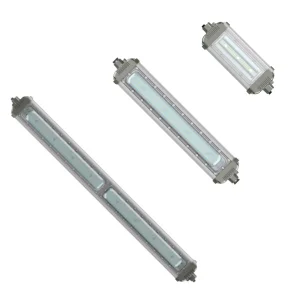
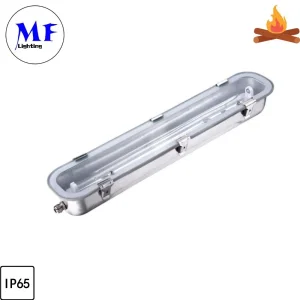
Reliable secondary and utility fixtures engineered to survive in harsh offshore marine and chemical processing environments.
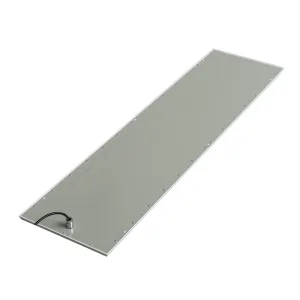
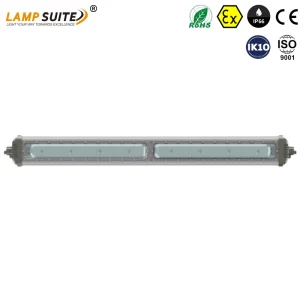
Namibian industrial sites often experience extreme outdoor temperatures exceeding 45°C. For explosion-proof LED fixtures, managing internal thermal generation is paramount. If the LED junction temperature exceeds safe limits, the fixture’s lifespan degrades, and the surface temperature may breach the T-rating threshold (e.g., T4/T6), causing explosion hazards. Merak utilizes high-grade, copper-free ADC12 aluminum housing with integrated aerodynamic heat sinks to maximize heat dissipation and maintain structural integrity.
Offshore diamond recovery vessels and gas fields in the Orange Basin present highly corrosive saline conditions. Standard paint coatings peel quickly, leaving raw metal exposed to rapid oxidation. Our specialized fixtures feature a powder-coated surface treatment (WF2 class) tested under extensive salt-spray simulations. This layer seals the metal, resisting marine degradation and preventing micro-fissures that could compromise flame-proof paths.
Remote industrial operations in Namibia can face voltage variations due to localized grid constraints or heavy generator loads. Our products feature integrated surge protection devices (SPD) of up to 10kV and wide-voltage range constant current drivers (e.g., 90-305VAC). This safeguards the internal electronic systems, preventing failures during voltage spikes and ensuring continuous, flicker-free illumination.
Leveraging advanced technology and robust manufacturing systems to ensure reliable supply lines to Southern Africa.
Zhongshan Merak Lighting Co., Ltd. is a professional manufacturer and supplier of innovative LED lighting solutions, located in Zhongshan City, Guangdong Province, China—one of the world's leading lighting industry hubs. Since its establishment, Merak Lighting has been committed to delivering high-quality, energy-efficient, and reliable lighting products to customers worldwide.
With a strong focus on innovation, quality, and customer satisfaction, our company specializes in the design, development, production, and distribution of a wide range of LED lighting products for residential, commercial, hospitality, and outdoor applications. Our experienced R&D team continuously explores new technologies and lighting trends to provide products that combine outstanding performance, modern aesthetics, and environmental sustainability.
As a direct manufacturer, we maintain strict quality control throughout every stage of the production process. From raw material selection to final product testing, all products undergo rigorous inspection to ensure compliance with international quality and safety standards. This integrated manufacturing approach enables us to offer competitive pricing, consistent quality, and flexible customization services to meet the diverse requirements of global customers.
Today, Merak Lighting serves clients across North America, Europe, the Middle East, Southeast Asia, and other international markets. We are dedicated to building long-term partnerships by providing professional support, timely delivery, and customized lighting solutions that create value for our customers.
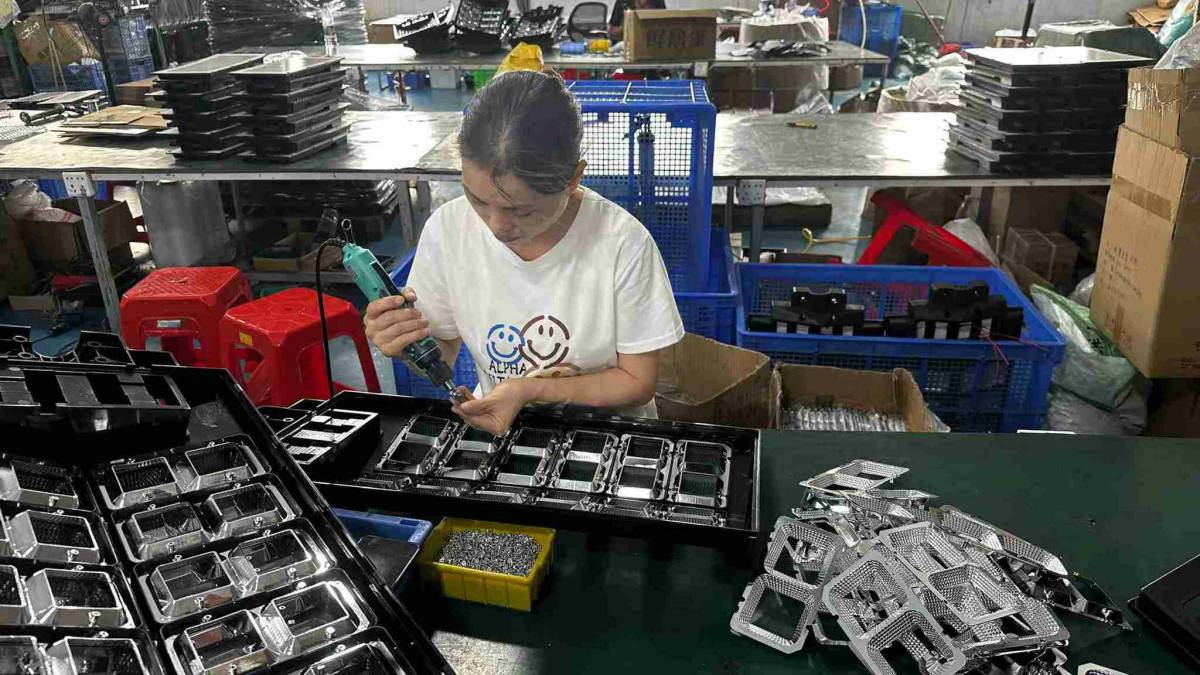
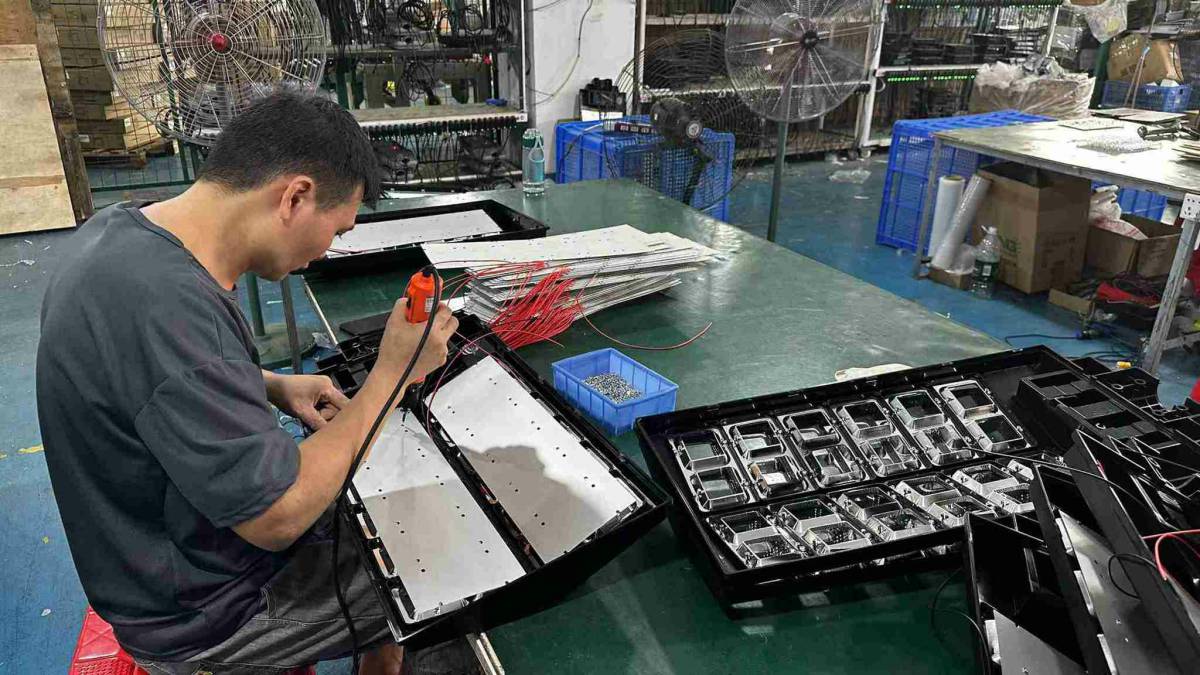
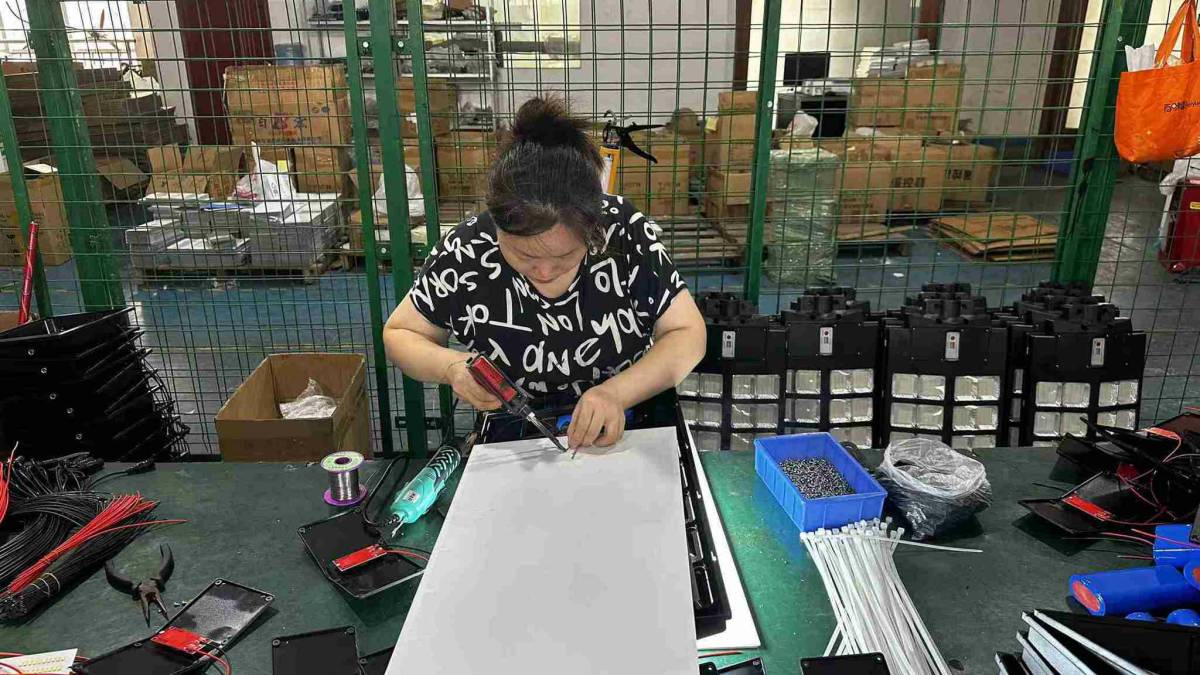
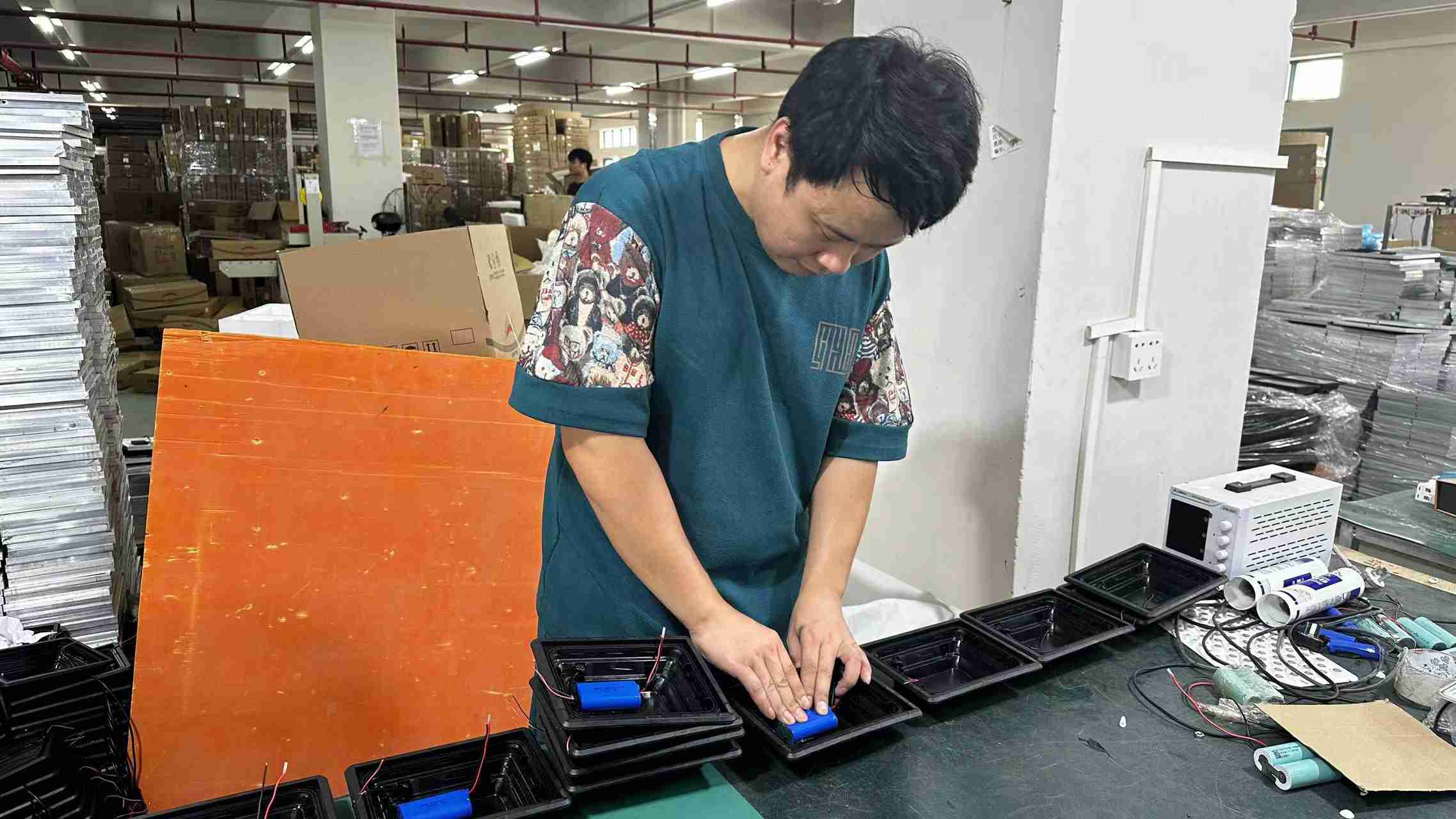
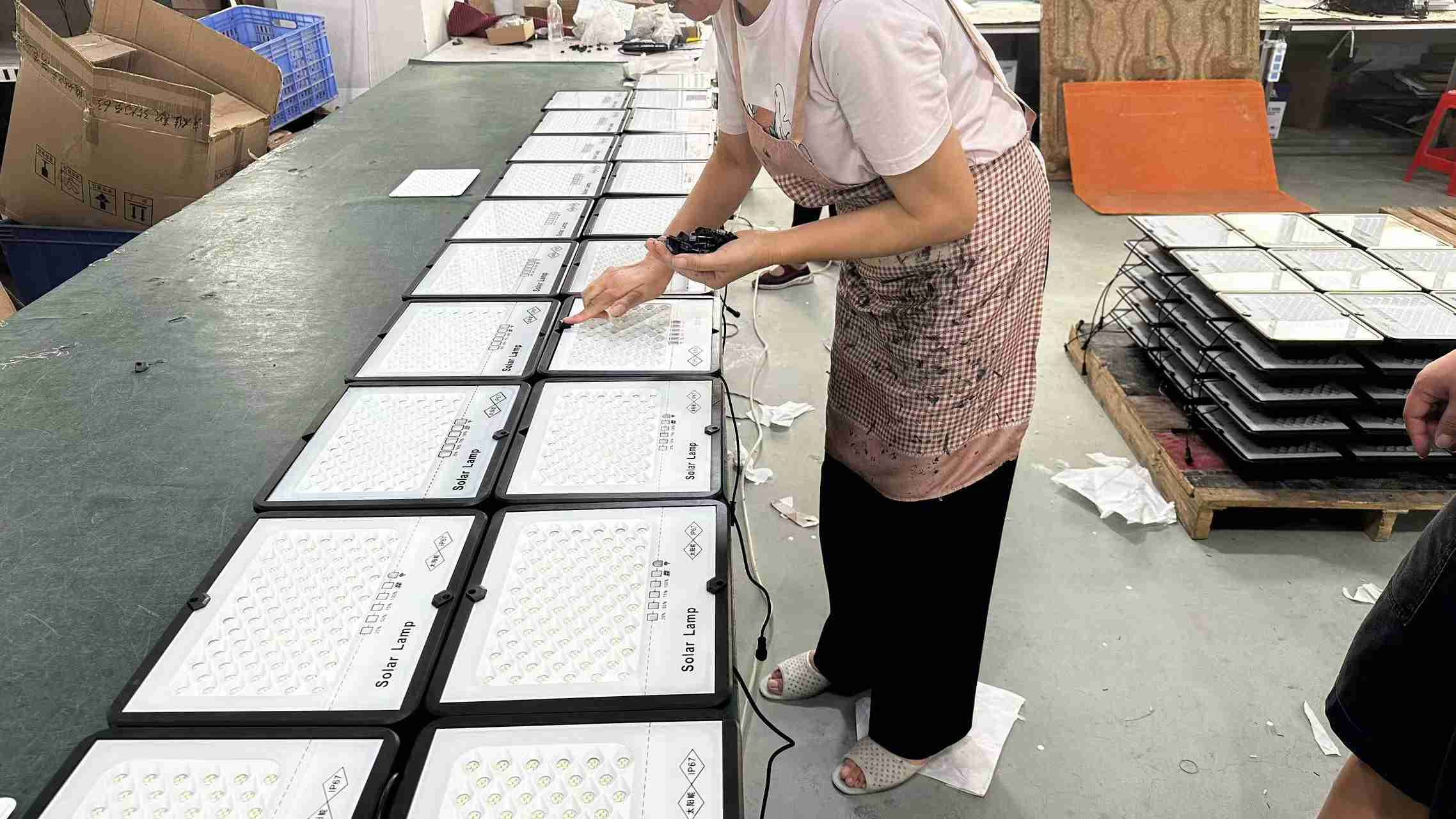
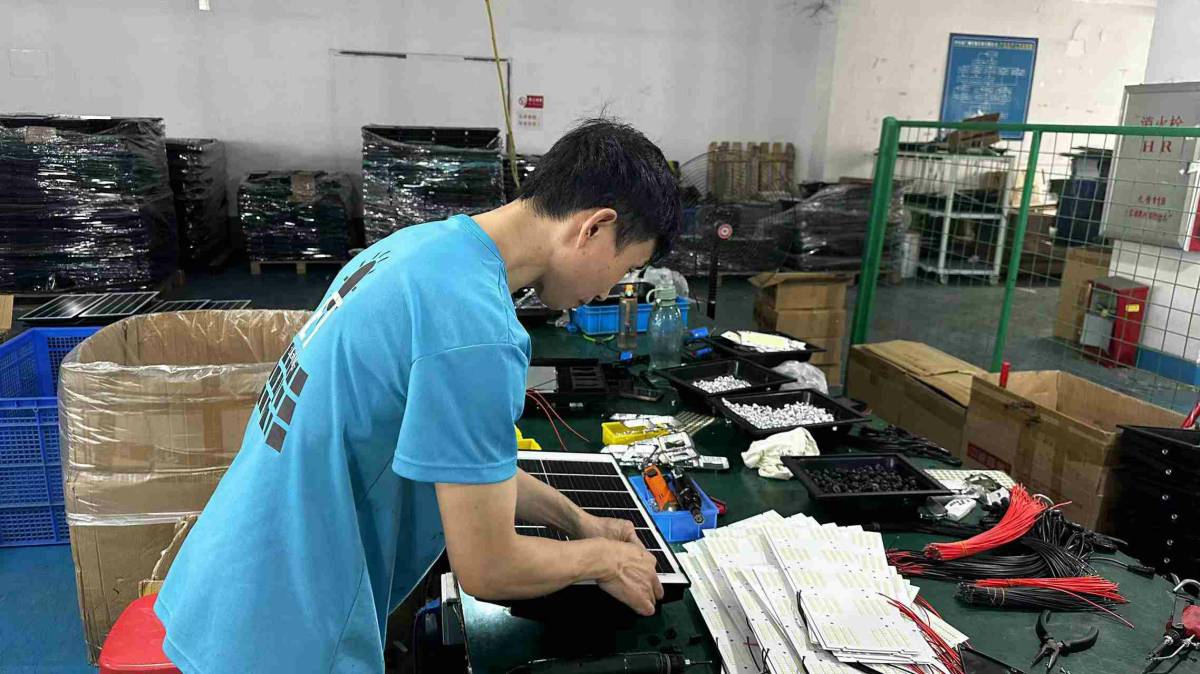
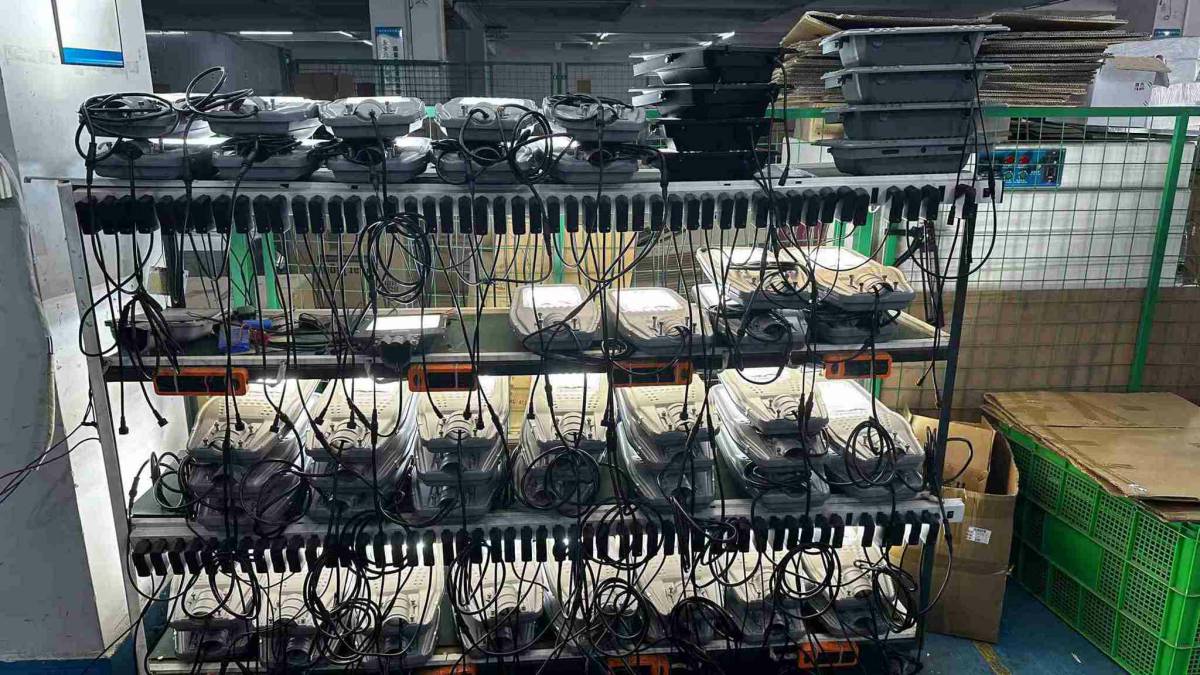
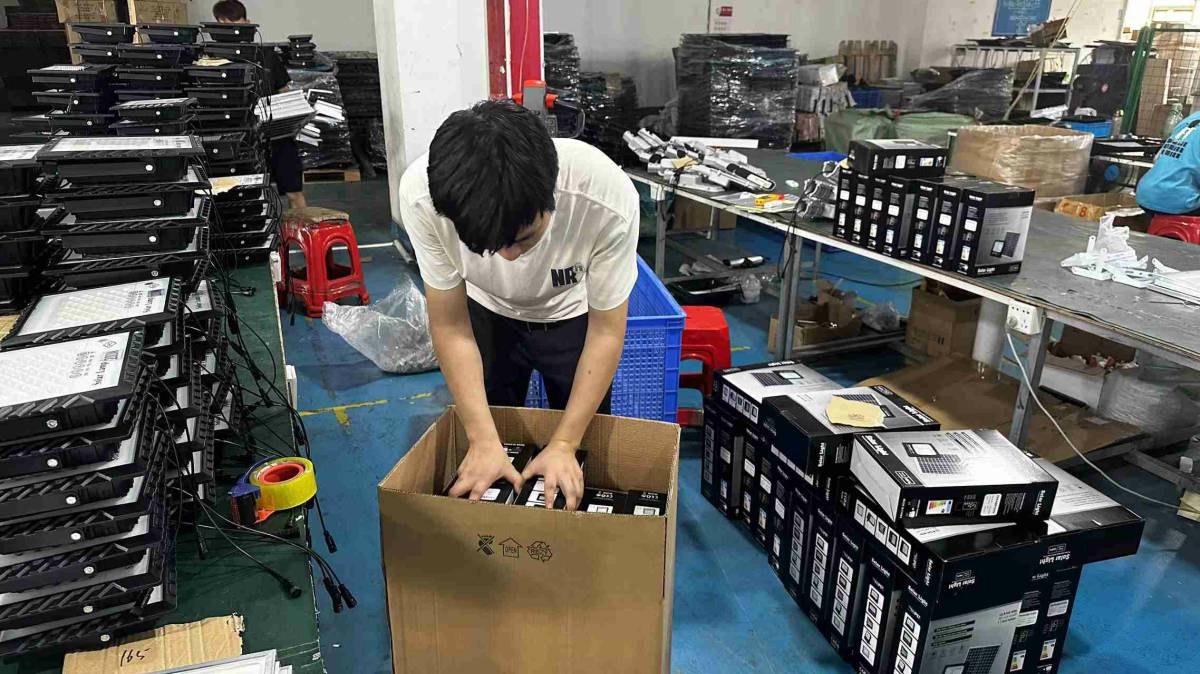
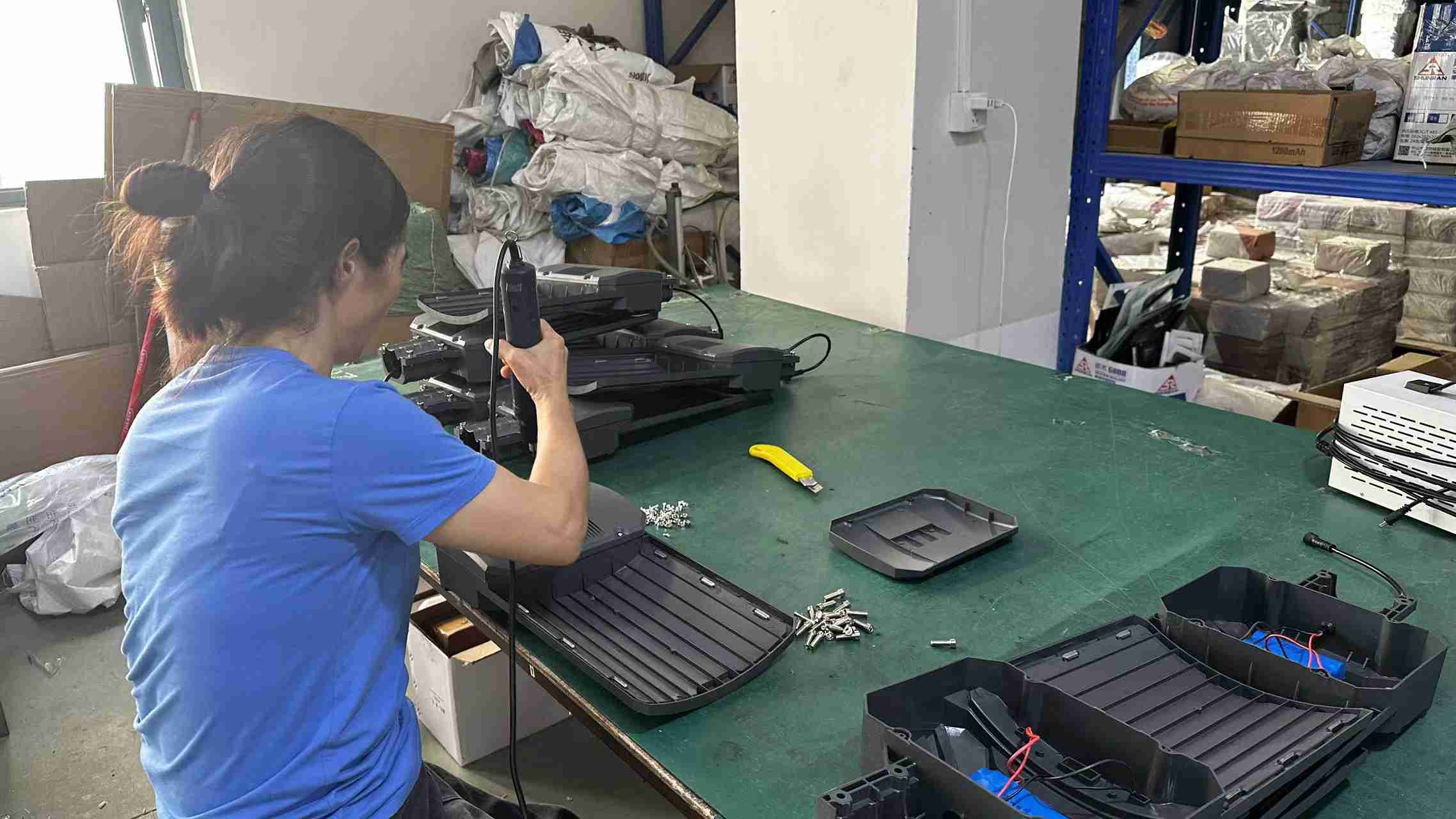
We leverage advanced automated assembly lines, high-precision soldering systems, and comprehensive safety testing chambers to construct durable hazardous-area lighting fixtures. Our structured process ensures every batch of explosion-proof lights meets the requested specifications before dispatching to Namibia.
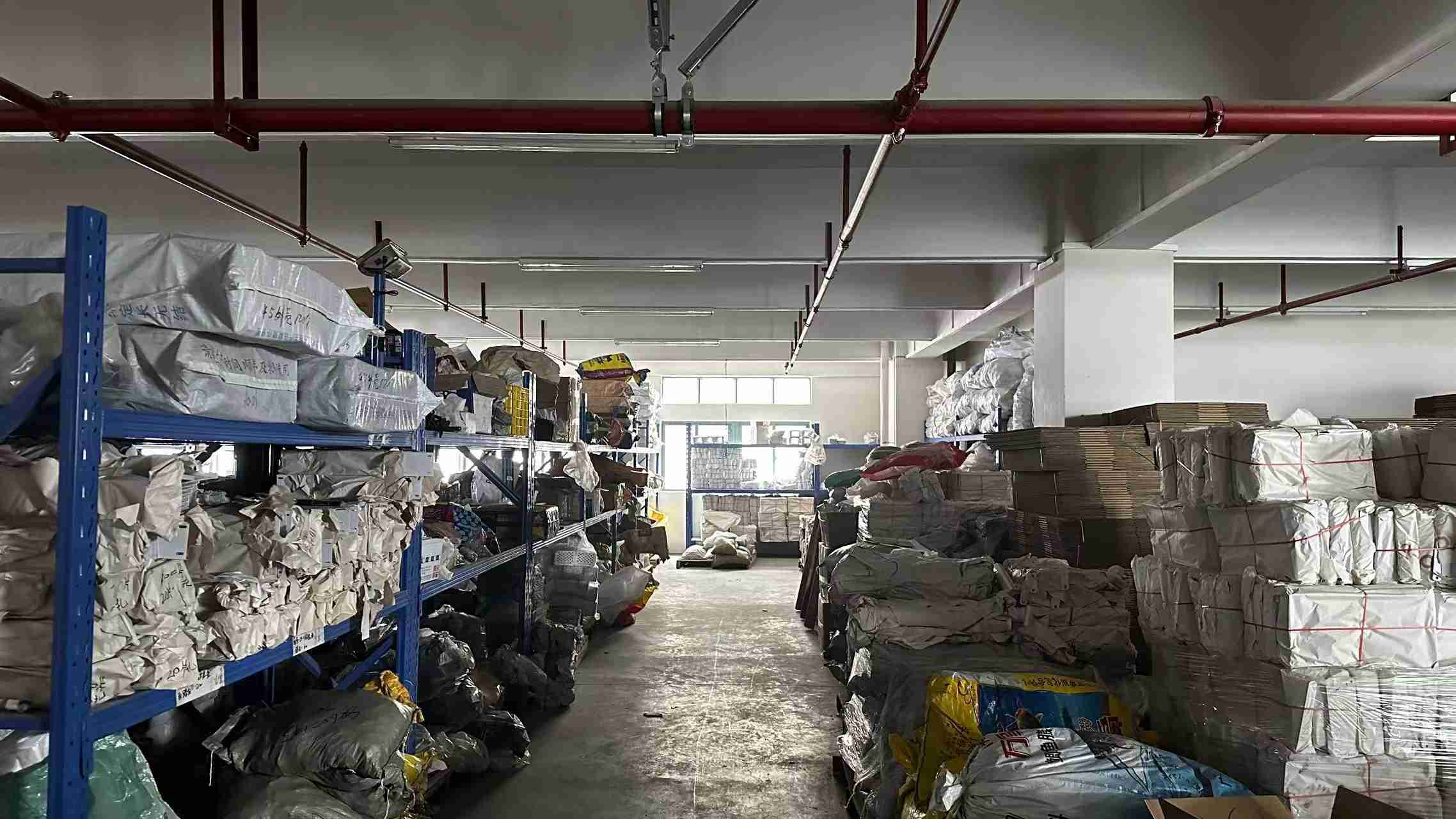
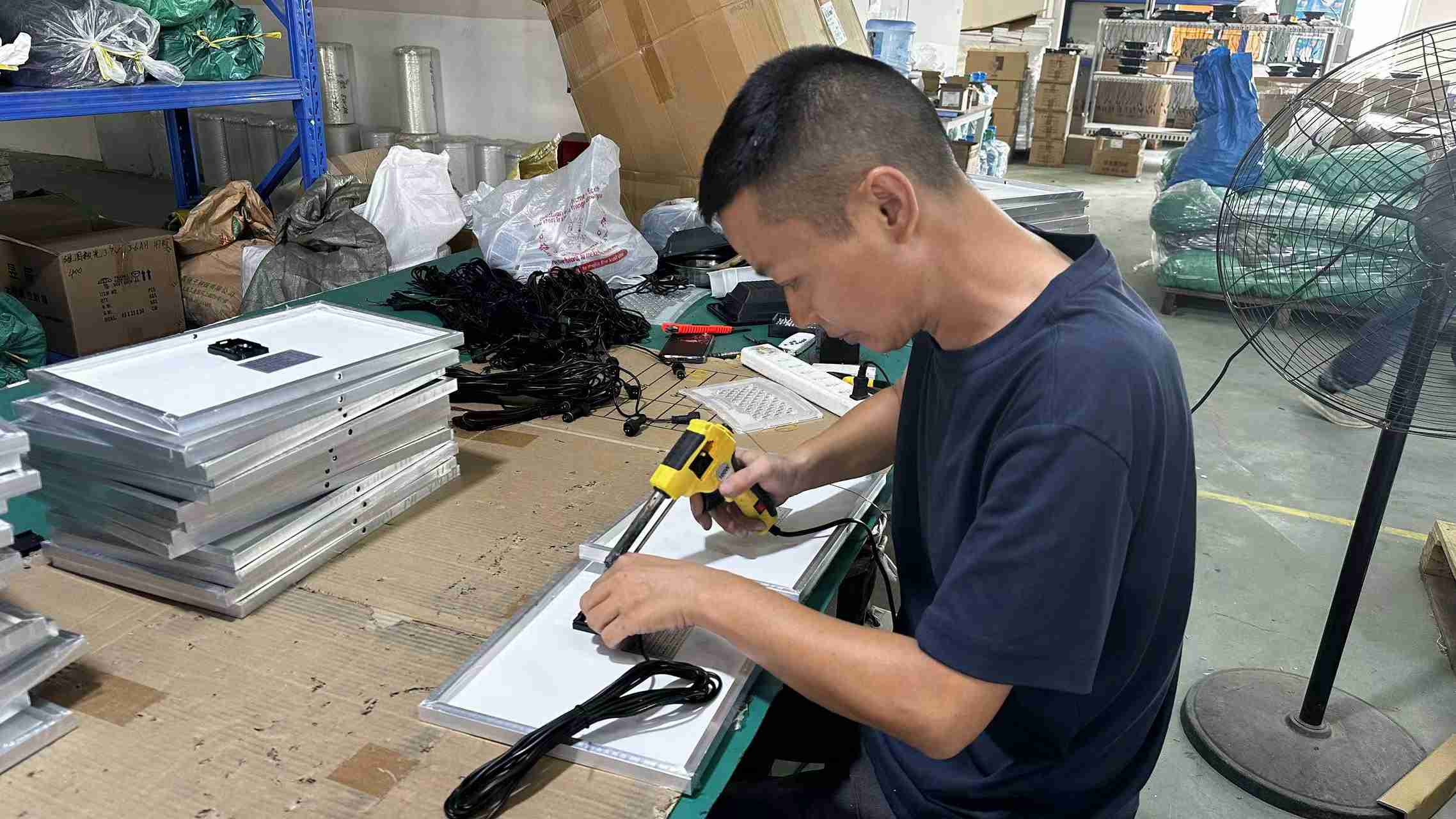
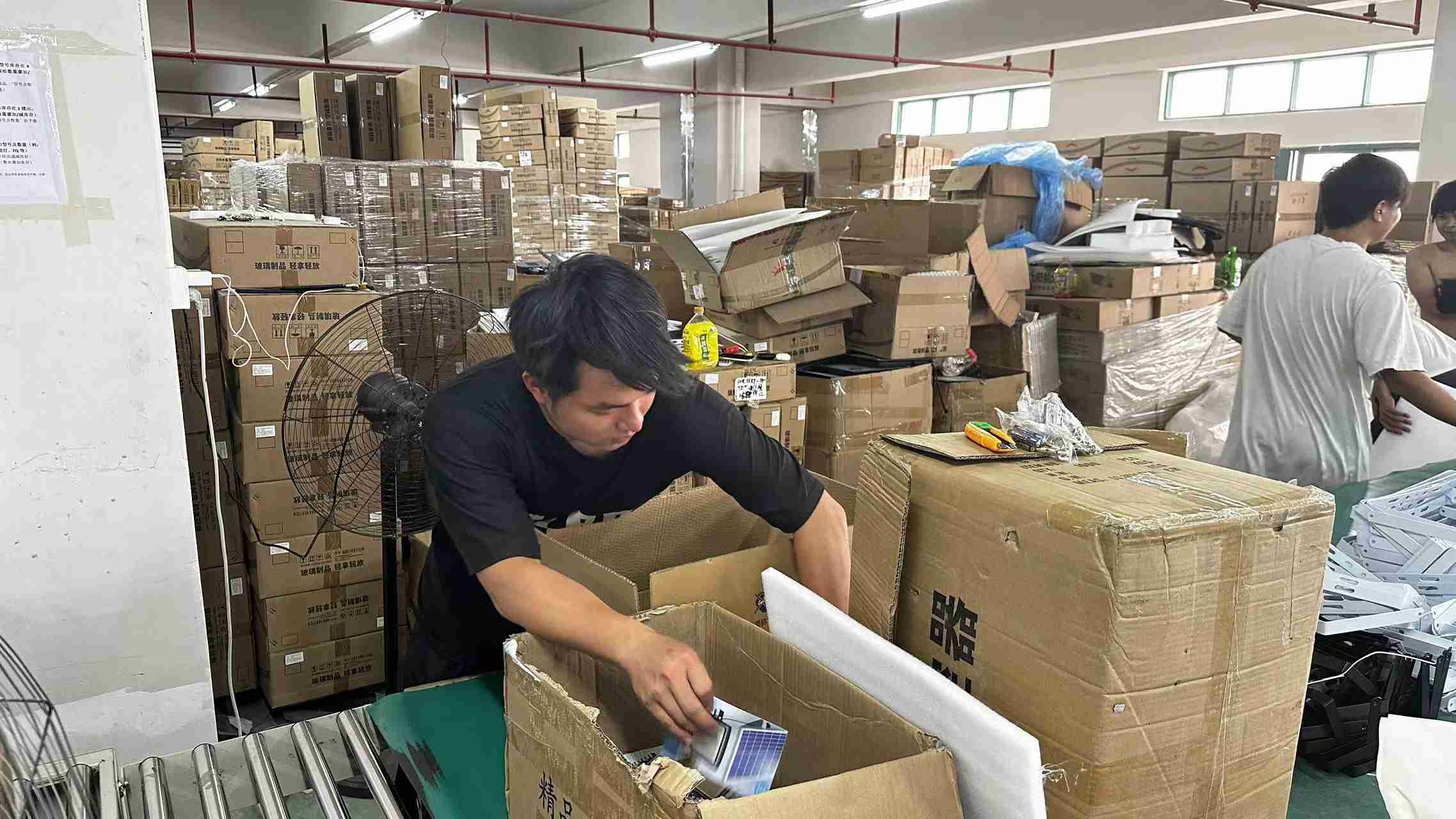
Our success is built upon a deep understanding of our customers’ needs. We are committed to delivering exceptional products, responsive service, and tailored solutions that help our clients achieve their business goals.
We continuously invest in research and development to improve product performance, energy efficiency, and design. Innovation drives our growth and enables us to stay ahead in the rapidly evolving lighting industry.
We uphold the highest standards of manufacturing and quality management. Every product reflects our commitment to reliability, durability, and superior craftsmanship.
We conduct our business with honesty, transparency, and professionalism. We value trust and strive to build lasting relationships with customers, suppliers, and partners worldwide.
We believe in creating lighting solutions that contribute to a greener future. Our energy-efficient products help reduce environmental impact while delivering outstanding illumination performance.
We aspire to improve every day—individually and collectively. Through learning, innovation, and collaboration, we aim to become a trusted global leader in the LED lighting industry.
Browse our complete list of high-efficiency, certified hazardous area light fixtures available for Namibian distribution.
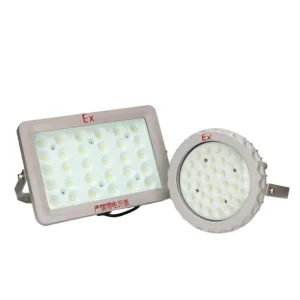
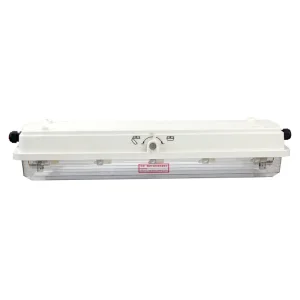
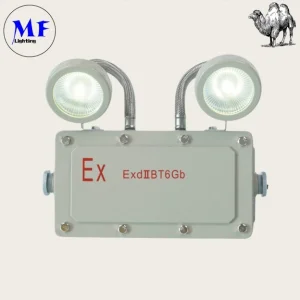
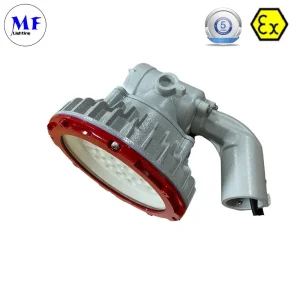
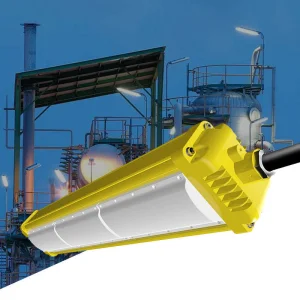
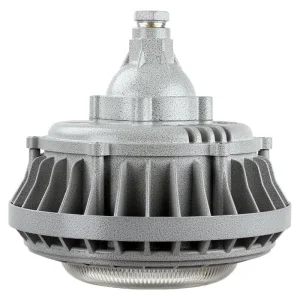
Namibian safety regulations, guided by international standards and regional developments such as SANS (South African National Standards) and the Mine Health and Safety Act, recognize ATEX and IECEx certifications for equipment deployed in explosive atmospheres. Procurement and engineering managers need to ensure that the equipment installed aligns with the specific classifications of their sites.
These zones exhibit a continuous, long-term, or frequent presence of explosive gas (Zone 0) or combustible dust (Zone 20) mixtures. Standard active electrical fixtures are generally prohibited in these zones, or restricted to intrinsically safe equipment (Ex ia). Typically, lighting is projected into these areas from the exterior or utilized in highly monitored process setups.
In Zone 1 (gases/vapors) and Zone 21 (combustible dusts), explosive mixtures are expected to occur occasionally under normal operational circumstances. Typical examples include processing bays, sampling stations, and refinery yards. Fixtures utilized here must feature robust protection models such as flame-proof (Ex d) or increased safety (Ex e) structures, ensuring any internal ignition is contained.
These zones consist of locations where explosive atmospheres are unlikely to occur in normal operations, and if they do, will persist for a short period only (typically due to accidental leaks or minor process disruptions). Standard industrial lights are still prohibited; instead, certified Zone 2 (Ex n or Ex ec) fixtures must be utilized to maintain safety margins.
For operations in Namibia, the following table summarizes the equipment criteria matching the target areas:
| Atmosphere Type | High Risk (Continuous) | Medium Risk (Occasional) | Low Risk (Abnormal) |
|---|---|---|---|
| Gases, Vapors, Mists | Zone 0 (Ex ia / Ex ma) | Zone 1 (Ex d / Ex eb) | Zone 2 (Ex ec / Ex nR) |
| Combustible Dusts | Zone 20 (Ex ta / Ex ia) | Zone 21 (Ex tb) | Zone 22 (Ex tc) |
Merak Lighting products undergo testing by accredited certification bodies to ensure compliance with these parameters, providing peace of mind for safety auditors and project developers in Namibia.
Crucial information for electrical contractors, mine managers, and procurement officers serving the Namibian market.
Yes. Our marine-grade explosion-proof LED lights carry ATEX and IECEx certifications, which are recognized internationally and accepted by Namibian safety inspectors. These fixtures feature corrosion-resistant housings (WF2 rating) and IP66/IP67 ingress ratings, making them suitable for the salty, humid conditions on offshore vessels and drilling units in the Orange Basin.
Our products are engineered with robust thermal management systems. The housings utilize high-grade, copper-free aluminum alloy heat sinks that optimize thermal dissipation. This ensures the LEDs operate within their rated junction temperatures even in ambient temperatures of up to 55°C, preventing thermal-induced failure and preserving the safety rating of the fixture.
Uranium processing creates high concentrations of explosive mineral dusts. These areas are classified as Zone 21 or Zone 22 (combustible dust atmospheres). Fixtures installed here must be dust-tight, featuring IP6X ingress ratings and ATEX/IECEx Zone 21/22 certification (Ex tb or Ex tc), to prevent dust particles from entering the enclosure and igniting.
Based in Zhongshan, China, Merak utilizes a Factory 4.0 production framework that integrates local component sourcing, automated manufacturing, and rigorous quality testing. We coordinate with shipping hubs to handle freight forwarding to Walvis Bay Port or Windhoek Airport, minimizing delivery disruptions and ensuring projects are completed on schedule.
Yes. We provide customization options including custom wattages (from 20W to 400W), multiple beam angle variations, emergency backup batteries, and mounting hardware (ceiling, wall, pole, or stanchion mounts). Contact our support team with your project requirements, and our engineers can develop a tailored solution for you.
Contact our engineering sales team today for a comprehensive lighting design simulation, competitive pricing, and custom specifications tailored for your project in Namibia.
Response within 24 business hours • Global Shipping Secured
 Merak Lighting